Used Komatsu PC460LC-8 Excavator: An Inspection-First Buying Guide
Most buyers ask what a used Komatsu PC460LC-8 excavator costs before they have seen one. The order is backwards, and it is expensive. Until a machine has been started cold, worked hot and measured at the points that wear, any figure is a guess dressed as an offer. This guide sets out the sequence in the order we use it: what to request before travelling, what to do on site, how to score what you find, and only then how to read the catalogue band of 63,000-65,000 USD against the actual unit.
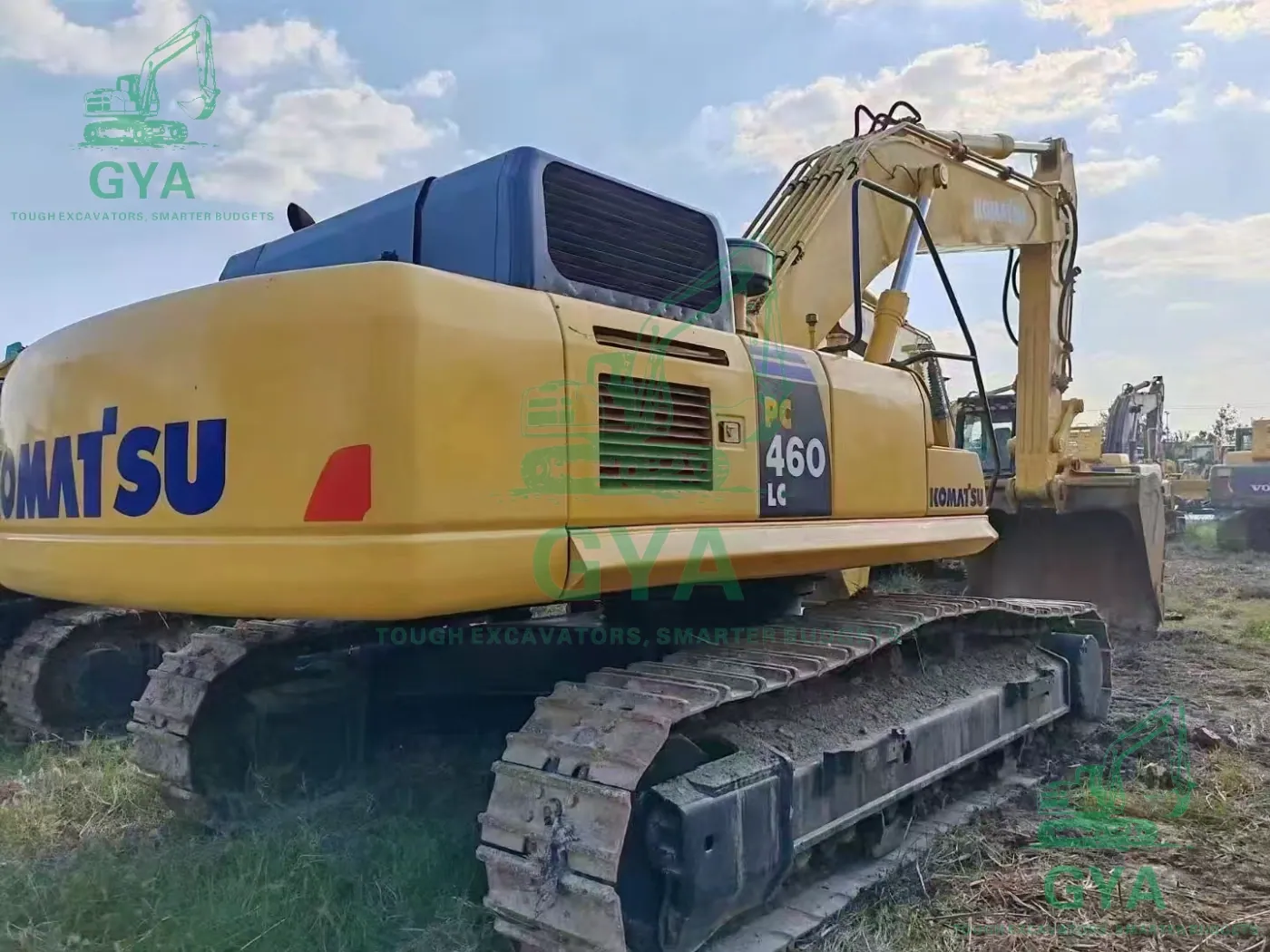
Why the inspection comes before the PC460LC-8 price
A 40-50 t excavator hides its condition well when it is clean and warm. Paint covers plate, hot oil hides a tired pump, and a washed undercarriage photographs better than it measures. The only defence is a sequence that forces the machine to show itself: cold start, working temperature, measurements, paperwork.
Price follows those findings, never the reverse. Negotiate first and you negotiate against an unknown, and the seller knows more about that unknown than you do.
The pack to request before you book a visit
Ask for five items before anyone travels. A photograph of the serial plate. A photograph of the hour meter with the panel powered. The service records the seller holds, or a clear statement that none exist. A dated walk-around video, taken cold, with the engine started on camera. And the full configuration: boom, arm, bucket, coupler, and any guarding or additional counterweight.
If the pack arrives incomplete, that is information. A seller with a machine worth inspecting usually has photographs of it. A seller who cannot produce a plate photo has either a paperwork problem or a machine you should not travel for.
Ask as well for the most recent oil sample results if the owner takes them, and for the fault list from the monitor. Neither replaces your own inspection, but both tell you where to look first. Book the PC460LC-8 inspection only after the pack arrives; travelling to confirm what a photograph could have shown wastes the day.
How to inspect a used Komatsu PC460LC-8 excavator on site
Arrive before the machine has run. Ask that it sits overnight and that nobody starts it to warm it up for you. Then watch the start yourself: cranking time, smoke at first fire, any knock, how quickly oil pressure comes up, and whether the idle settles without hunting.
With the engine warm, work every function through its full stroke. Track forward and back on both sides, swing in both directions, and hold each cylinder at the end of its stroke to listen for bypass. Note the response time, any judder, and any drift with the control in neutral.
Then stop and look. Not while the machine is running, when heat and motion hide things, but after: rods, hoses, swivel, pump bay, final drives, and the ground under the machine for fresh drips. Photograph what you find with the time stamp visible.
Measure wear instead of describing it
Descriptions are negotiable; measurements are not. Bring a tape, a straight edge, a torch, a mirror and a notebook, and write numbers in the notebook as you take them.
Undercarriage
Record shoe height, link height, bushing diameter, sprocket tooth thickness, roller and idler condition, and track sag on both sides. Compare left with right. A large difference usually means a machine that spent its life turning one way, and it tells you what a full replacement will involve.
Pins, bushes and swing
Check play at the bucket, the stick and the boom foot with the machine level and the attachment supported. Then check swing bearing play and listen for a knock during a slow swing stop. These are the joints that decide whether a machine feels tight or tired, and they are cheap to check while expensive to ignore.
Structure
Look at the boom foot, the stick cylinder bracket, the boom and arm plate seams, the carbody and the counterweight bolts. Use an ultrasonic thickness gauge where a plate looks thin or has been dressed. A repair is acceptable when it is disclosed, documented and sound. An undisclosed repair is a different conversation.
Hydraulics at working temperature
A cold hydraulic system is forgiving. Take your readings after the oil is hot: cycle speed, drift, noise at the pump, and the temperature of the return line. Check the filter dates if the seller will open the compartment, and look at the oil on the dipstick for colour and smell rather than level alone.
Bring sample bottles if you intend to buy. A laboratory result on the hydraulic and engine oil costs little compared with a pump, and it is the only part of the inspection that looks inside the machine rather than at its surface.
Hours, monitoring data and the service file
The panel reading is a number, not a fact. Cross-check it against wear: pedals, seat, joysticks, pins and track groups. Then ask for the monitoring history. Machines of this generation typically report to a satellite system, and a history report shows hours over time in a way a single photograph cannot.
Check the service stickers and the invoices. A machine with a file that matches its hours is a different asset from one with a clean panel and no paperwork, and the market prices that difference even when a seller does not mention it.
Commissioning a third-party inspector
If you cannot travel, appoint an inspector rather than trusting a video. Define the scope in writing: cold start, function test, measurements, oil samples, photographs at named points, and a report with a verdict per system. Agree who attends, whether the seller operates the machine, and how long the inspection may take.
Ask for the raw photographs as well as the report. A report with conclusions and no images is an opinion. Images let your own mechanic disagree with it, which is the point.
Scoring: pass, repair, reject
Score each system three ways: pass, repair with a known cost, or reject. Tracks, hydraulics, structure, engine, swing and travel, electrical, documents. A repair score needs a local price beside it or it is not a score, it is a worry.
Then add the repair column to the landed cost and compare. This is the only comparison that means anything, because it is the only one that includes what the machine will demand after it arrives.
Findings that end the visit early
Stop and walk away when the serial plate does not match the paperwork, when the hour reading and the wear tell different stories with no explanation, when a structural crack has been painted over rather than repaired, when the hydraulic oil carries metal, or when the seller refuses an independent inspection. Each of these stands alone as a reason. Together they describe a machine that will cost more than it saves.
Reading the inspection report on a used Komatsu PC460LC-8 excavator
The catalogue lists this model in the 40-50 t class with a band of 63,000-65,000 USD. Once a report exists, the band becomes a reference point rather than a target. A unit that passes with measured tracks and clean oil can justify the top of the range. A unit that needs a track set and a pump does not, whatever the sticker says.
Put the report beside the band and ask one question: does the evidence support this number for this machine, delivered to this port? If the answer is no, the negotiation is not about the band at all. It is about the repair column.
After the yes
Once a unit passes, the sequence is short. A written offer naming the serial and the Incoterm. A proforma invoice. The inspection report attached if one was commissioned. Balance payment against the agreed documents. Loading photographs, then the export file.
Keep the inspection report with the shipping documents. It is the record of what the machine was when it left, and it is worth having if anything is disputed later.
How we work, and how we do not
This site is operated by an independent exporter. There is no dealer franchise behind it and no yard of our own to walk you around: a machine is found against your request, inspected, and offered with whatever evidence exists. Quotes are written FOB or CIF for a named port, and the export paperwork is assembled per shipment.
That has one practical consequence for inspection. We do not ask you to accept our word for condition, and we do not present a report as a warranty. You get the photographs, the measurements and the report, and you decide. Where the evidence is thin, the honest answer is that it is thin.
Ask for the document list at proforma stage: invoice, packing list, bill of lading, certificate of origin, and insurance if the terms include it. A used Komatsu 40-50t excavator of this value should travel with a file that matches its serial, and the file should be checked before the balance leaves, not after the vessel sails.
FAQ: buying a PC460LC-8
What does a used Komatsu PC460LC-8 excavator inspection cover?
Cold start, full function test at temperature, undercarriage and pin measurements, structure, hydraulics, oil samples and the document file.
How long should an inspection take?
Plan most of a working day for a cold start, a full function test and measurements, plus laboratory time if you take oil samples.
Do I have to attend in person?
No. A third-party inspector with a written scope and a photographic report is a workable substitute, provided the images come with it.
Is a video from the seller enough?
No. A video can show that a machine runs. It cannot measure a track group or reveal a hot-only fault.
What if the seller refuses an inspection?
Treat it as a reject. Refusal is a finding in itself.
Does a passed inspection guarantee the machine?
No. It is a snapshot of condition on that day, which is why oil analysis and a written report matter.
Who pays for the inspector?
Normally the buyer, agreed in writing before the visit. Some sellers share the cost; confirm it rather than assume it.
Inspection is the cheap part
An inspection costs a day and a report. A missed crack, a failing pump or a track set discovered after arrival costs a season of margin. On a 40-50 t machine the arithmetic is rarely close, which is why the sequence in this guide puts evidence in front of price and keeps it there.
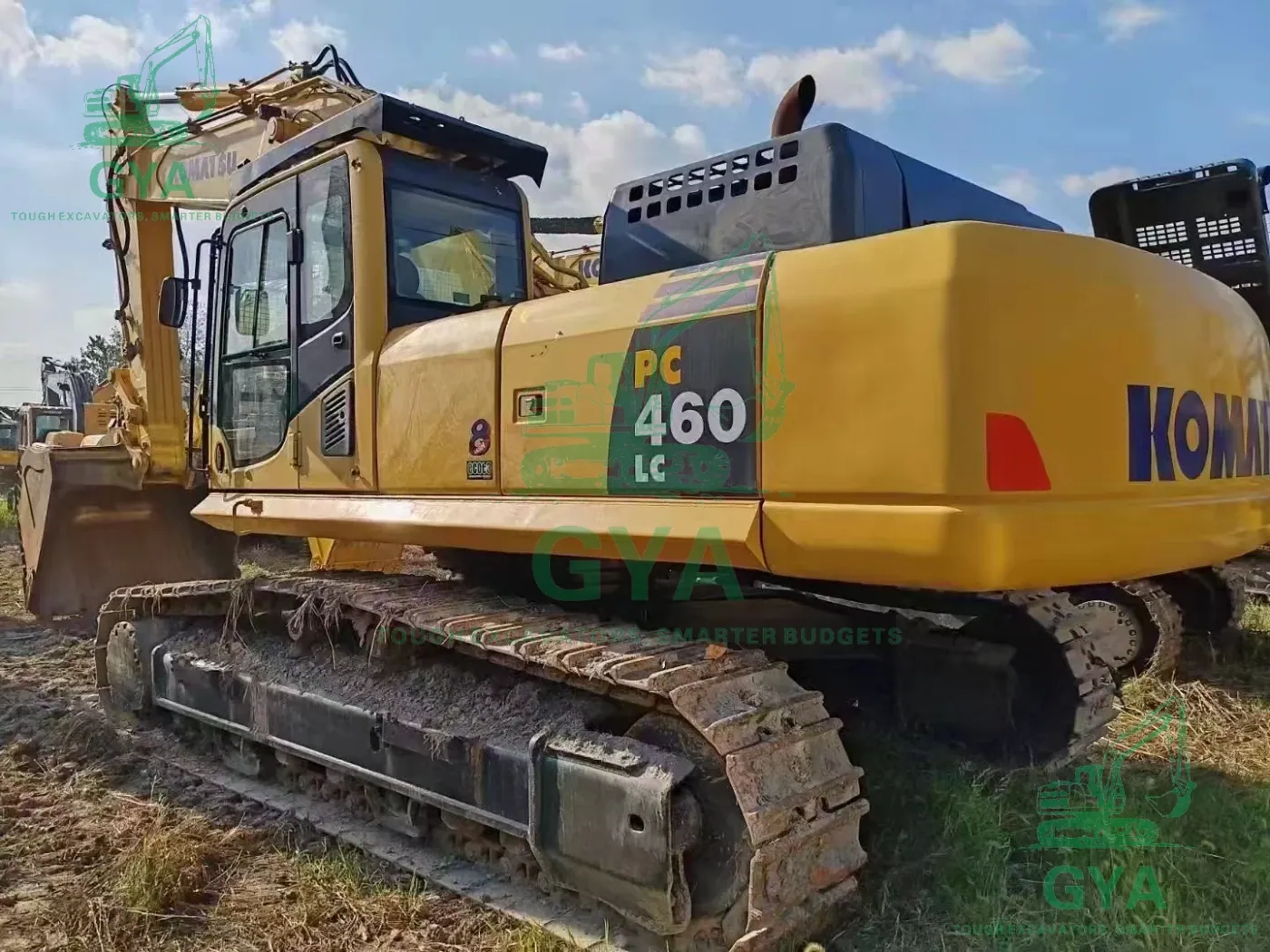
See the used Komatsu PC460LC-8 excavator model page or the PC460LC-8 units sourced to order. For the commercial side of the same decision, read the price-band guide to the PC450LC-8.
Komatsu buyer guides
Price bands, inspection and transport for the models buyers ask about.