Used Komatsu PC40 Excavator: Inspection-First Buying Guide
The used Komatsu PC40 excavator is listed at 14,000–17,000 USD in the mini under 6t class. The band is wide, the class is crowded, and the difference between a good buy and an expensive lesson is almost never the model. It is the inspection. This guide treats inspection as the purchase decision itself: what to request, what to look at, what to reject, and how to turn the findings into a price you can defend.
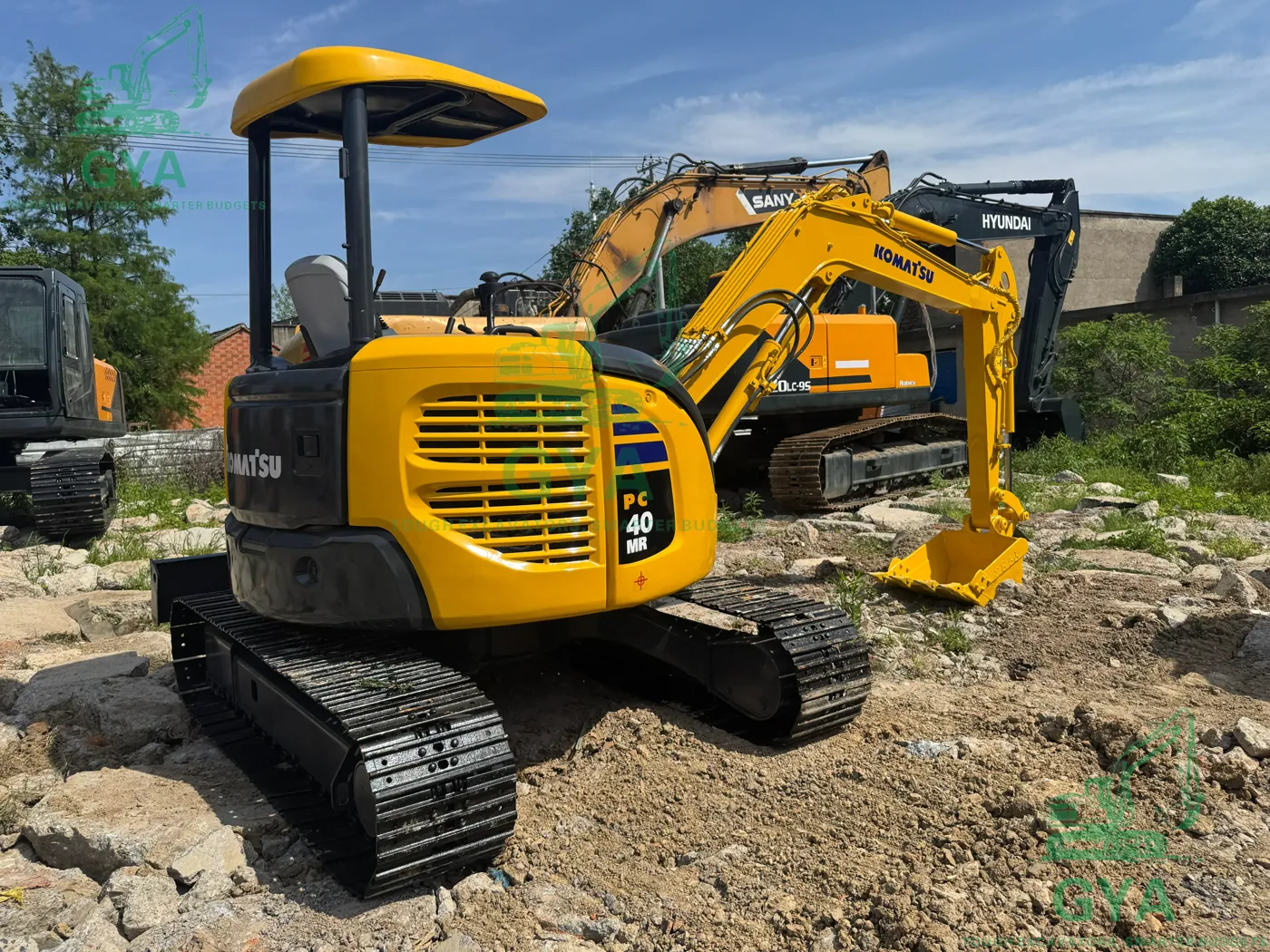
The band is not the risk; the unit is
A 3,000 USD spread on a 14,000 USD model is wide enough to hide very different machines. The band cannot tell you which end a unit belongs at, because it does not know the tracks, the pins, the hydraulics or the paperwork. Inspection is the process that moves a unit from somewhere in the band to worth this number. Without it, you are not buying a machine; you are buying a description.
A used Komatsu mini under 6t excavator is small enough that a single defect can dominate the purchase, and the band is wide enough to hide it. That is why the order of work matters. Inspect, then price, then negotiate. Buyers who negotiate first and inspect later usually discover that the discount they won was smaller than the defect they bought.
What inspection-first means in practice
It means three things. The evidence comes before the quote, not after the deposit. The findings are written down and priced, not remembered. And the purchase stays conditional on the inspection until the inspection is complete. A supplier who cannot work in that order is asking you to carry the risk that the inspection was supposed to remove.
Stage one: remote screening of a used Komatsu PC40 excavator
Remote screening is cheap, and it removes most bad candidates before anyone pays for a flight. Ask for a single uncut video that starts at the serial plate, pans across the machine, shows the hour meter, then shows the engine starting from cold and the machine working through boom, arm, bucket, swing and travel in both directions. Add still photos of each track, each roller line, the bucket, the pins at three joints, the boom root, the arm, the counterweight and any area that looks repaired.
Then read the file as a whole. Does the plate match the listing? Does the meter reading sit comfortably with the wear you can see? Do the photos look like the same machine on the same day? A file that contradicts itself is a stop sign, even when every individual image looks acceptable.
The evidence pack to request before a quote
- Serial plate and model, photographed straight on.
- Hour meter, in the same video as the plate.
- Start from cold, uncut, with the exhaust visible.
- Working video covering boom, arm, bucket, swing and both travel directions.
- Track, roller, idler and sprocket photos on both sides.
- Pin and bush photos at the bucket, arm and boom.
- Hydraulic leak photos, with the source in frame.
- Structure photos: boom, arm, frame and counterweight.
- Attachment details and what is included in the sale.
- Service records, if any exist.
- Transport dimensions and actual weight.
- The document list the seller can provide.
Ask for the pack in one message and ask for it to be dated. A supplier who sends a coherent pack quickly usually has a real unit behind it. A supplier who sends three old photos and a price is telling you what the file will look like after you pay.
Stage two: the physical PC40 inspection
The physical inspection answers what a video cannot: how the machine feels under load, where the leaks actually start, how much play is in each joint, and whether the structure has been repaired. Take the plate number from the machine, not from the paperwork, and confirm that it matches. Run the machine long enough to reach working temperature, because some faults only appear when the oil is warm.
Bring a written checklist and score every item as pass, repair or reject. Photograph anything you score as repair, and note its location so the repair can be quoted later. An inspection that produces a memory instead of a document has wasted the trip.
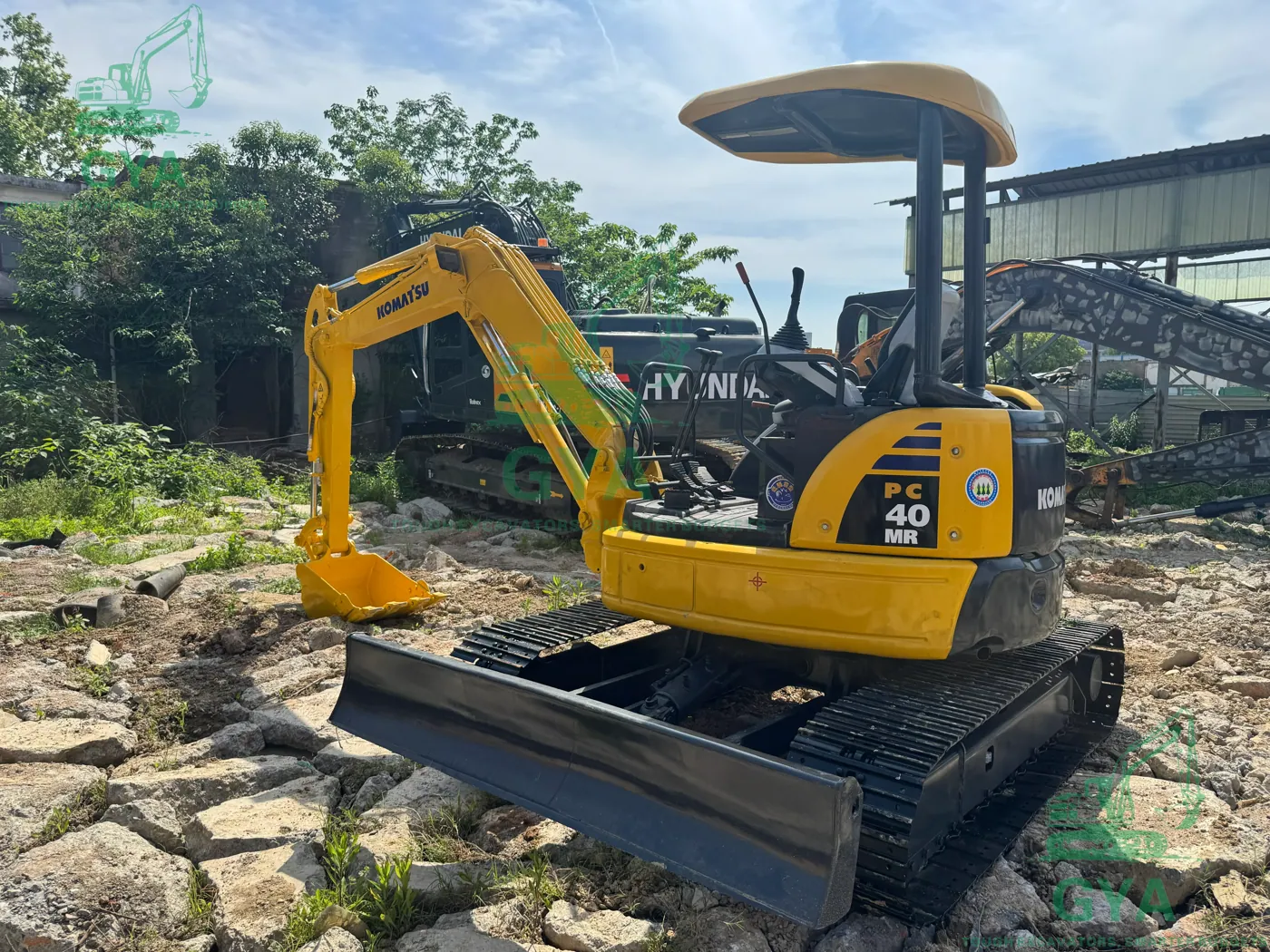
Photo discipline: reading what you are sent
Photos are evidence only when they are specific. A wide shot of a clean machine proves that the machine was clean and that someone chose the angle. Ask for close, straight-on photos of the wear points, taken in daylight, with something in frame for scale. Ask for the same view on both sides of the undercarriage, because uneven wear is a story about how the machine was used.
Be suspicious of a set that is all exterior and no detail, all fresh paint and no pins, or all one side. Be equally suspicious of a set that is too perfect. A machine that has worked will show wear somewhere, and a file that shows none is either new or selective.
Video discipline: the sequence that proves the machine works
A useful video is a sequence, not a highlight. It should show the machine before it is started, the start itself, the idle, a full hydraulic cycle, travel in both directions, and a walk around the machine at the end. No cuts between those steps. The point is not production quality; it is continuity. A cut is where a problem can be hidden.
Watch the video twice. The first time, watch the machine. The second time, watch the background: the same yard, the same light, the same people. Continuity in the background supports the claim that the footage is current and belongs to the unit being sold.
Reject criteria
Some findings end the conversation. An unrepaired structural crack is one. A major hydraulic leak that the seller cannot explain is another. A plate or serial that does not match the listing is a third. A meter that contradicts the wear with no explanation is a fourth. A seller who refuses an inspection, or who will not allow the inspection to happen before the balance, is a fifth.
None of these is negotiable with a discount. A crack, a mismatched identity or a refused inspection is a risk you cannot price, and an unpriced risk is not a bargain at any point in the band.
Identity and documents
The machine, the listing, the invoice and the export paperwork should describe the same object. Check the model and serial on the plate against the listing and the proforma. Check that the invoice names the machine, the price, the Incoterm and the destination. Check the document list before you pay: commercial invoice, packing list, bill of lading and certificate of origin are the normal core, and the exact set depends on the destination.
Identity problems are cheap to fix before payment and expensive to fix after loading. Treat a mismatch as a reason to pause, not a detail to sort out later.
Where the PC40 price band enters the decision
The band enters after the inspection, not before it. Once you have a scored checklist and a local repair estimate, you can place the unit: a clean machine with a short repair list belongs near the top of the range, a machine with a known and priced repair bill belongs lower, and a machine with an unpriced major risk does not belong in the comparison at all.
Then compare landed cost, not sticker. Add freight, insurance, duty, clearing and inland delivery to the agreed price, add the repair reserve, and put the total beside the local alternative. The band is one input to that sheet. The inspection is what makes the input honest.
From inspection to loading
After the inspection passes and the balance is paid, the file moves to loading. Confirm the transport dimensions and weight from the actual unit, confirm the loading method with the forwarder, and confirm the documents against the shipment. Keep the inspection report in the shipment file. If a dispute arises, it is the record of what was agreed and what condition the machine was in when it left.
FAQ: used Komatsu PC40 excavator
Is the used Komatsu PC40 excavator band a fixed price? No. It is a model-level range. The unit price depends on condition, configuration, the Incoterm and the destination.
What does a PC40 inspection cover? Tracks and undercarriage, pins and bushes, hydraulic leaks and response, structure, attachment, and the identity of the machine against its documents.
Can I skip the physical inspection if the video looks good? You can, but you would be buying the seller's editing rather than the machine. Video is a screening tool, not a substitute for a hands-on check.
Do you arrange the inspection? Yes. Inspection before the balance is the normal sequence, and the findings are written down so they can be priced and used in the negotiation.
What documents come with the machine? The core export set is the commercial invoice, packing list, bill of lading and certificate of origin. The exact requirements depend on the destination, so confirm them with your broker.
Booking an inspection
We are an independent used-equipment exporter in China. We are not a dealer and we do not own yards, so the machine has to be inspected before it can be recommended. We quote FOB or CIF, prepare the export documents, and keep the inspection record with the shipment file.
If the PC40 is on your shortlist, send the port, the work type and the evidence standard you want. We will return the unit file and the terms. See the used Komatsu PC40 excavator model page, compare other Komatsu excavator models, or request an inspection before you commit.
Inspect first, then price
The PC40 is a common model with a wide band, which makes it easy to buy on price and hard to buy well. The inspection is the only step that converts a band into a decision. Do it before the deposit, document it, price the findings, and the number you pay will finally mean something.
Komatsu buyer guides
Price bands, inspection and transport for the models buyers ask about.