Used Komatsu PC200-8 Excavator: Price Band and Inspection Guide
The used Komatsu PC200-8 excavator is a 20–30 t class machine listed on this site with a price band of 25,000–28,000 USD. That band is not a quote for a specific unit. It is a starting range for the model, and the actual price depends on the machine’s configuration, condition, hours and destination. This guide explains what the band does and does not tell you, and how to inspect a PC200-8 before you pay.
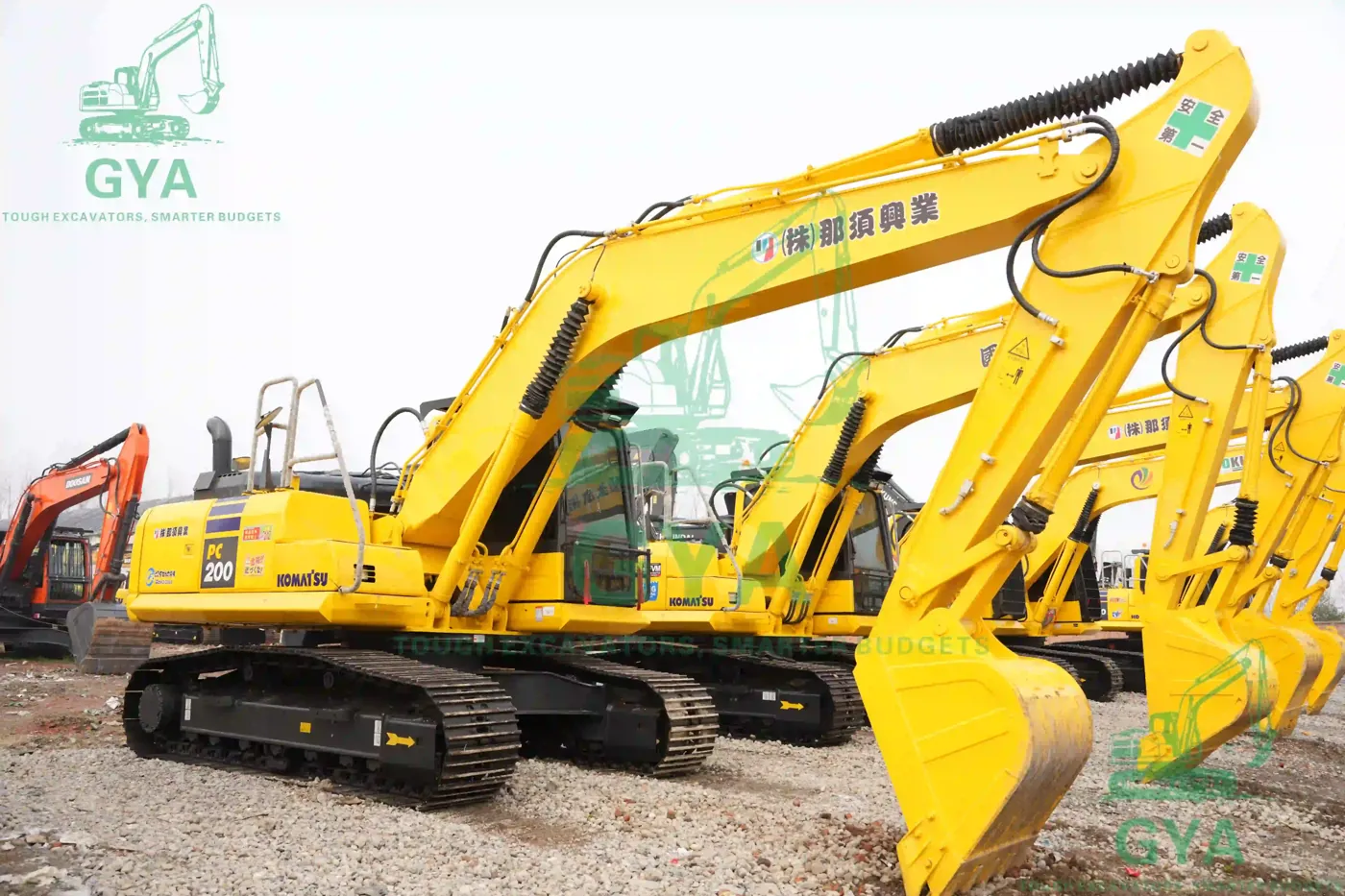
What the 25,000–28,000 USD band means
The band is a model-level reference. It tells you the rough FOB level for a PC200-8, not the price of the unit you are looking at. A machine with a fresh undercarriage, a clean hydraulic system and a documented service history can sit at the top of the band or above it. A machine with a worn undercarriage, a leaking pump or missing records can sit below it.
Do not ask “is the band cheap?” Ask “what does this specific unit need?” The repair estimate is the missing half of the price comparison. A PC200-8 at the low end of the band with a $5,000 undercarriage bill is not cheaper than a unit at the top of the band with a good undercarriage.
Where the PC200-8 fits
The PC200-8 is a 20–30 t class crawler excavator. It is a general-purpose machine for earthworks, road work, trenching, site preparation and truck loading. It is not a mini, and it is not a 40-ton quarry machine. The class is the most common starting point for contractors who need one machine for mixed work.
The site lists the PC200-8 in the 20–30 t class. That is the only class fact in the data file. Do not assume a specific operating weight, bucket size or dig depth from the model name. Ask for the machine plate, the bucket specification and the actual configuration.
PC200-8 vs PC200-7 vs PC200-10
Buyers often compare the PC200-8 with the PC200-7 and the newer PC200-10. The data file does not publish a full specification set for these models, so this guide does not invent one. The practical differences to ask about are the engine configuration, the hydraulic control system, the cab and the parts availability in your market.
A newer generation is not automatically the better buy. A clean PC200-7 with a strong undercarriage can be a better working machine than a tired PC200-10. Compare the actual units, not the generation number alone.
Inspection: eight points
1. Cold start
Ask for a start from cold. Watch the smoke colour, listen for a misfire or knock, and check that the machine settles into a steady idle. A warm idle video hides cold-start problems.
2. Hydraulic cycle
Ask for a full cycle: boom, arm, bucket, swing and travel. Watch for hesitation, drift and unusual noise. A video is not a pressure test, but it shows whether the machine is operational and whether the seller will demonstrate it.
3. Undercarriage
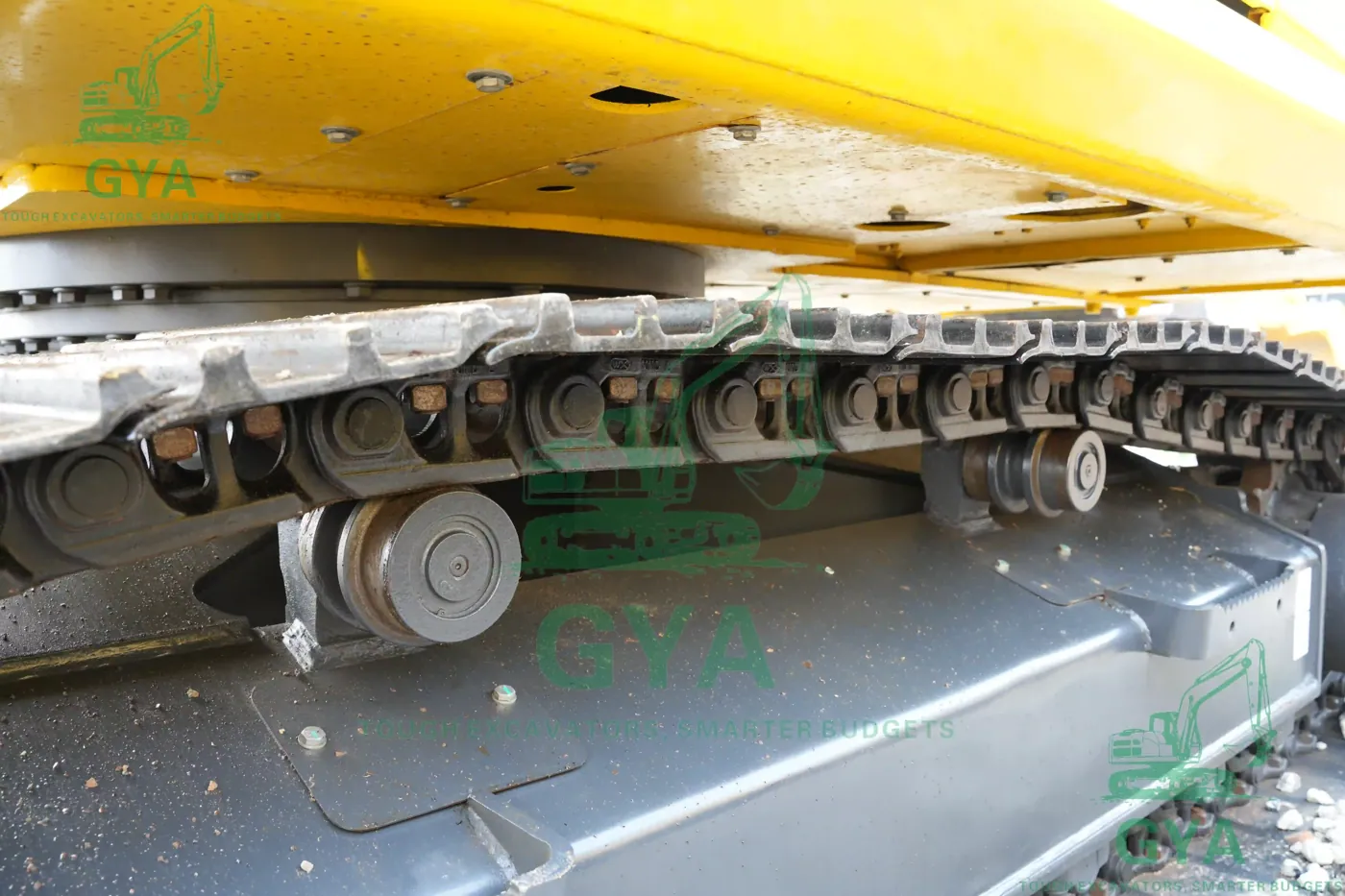
Ask for close-ups of the shoes, links, rollers, idlers and sprockets. Ask for measurements if the seller can provide them. On a 20-ton machine, the undercarriage is often the largest wear cost.
4. Pins and bushes
Check the bucket, arm and boom pins for play. Excessive play is a repair cost. Ask for photos of the bucket and the quick coupler if one is fitted.
5. Structure
Inspect the boom, arm, turret and counterweight for cracks, welds or fresh paint. A crack is a stop sign until it is properly assessed.
6. Engine and leaks
Look for oil and coolant leaks, blow-by and unusual smoke. Ask whether the engine has been repaired and whether there are invoices.
7. Hour meter and wear
Compare the reading with the pedals, seat, joysticks, pins and undercarriage. If the machine looks much more worn than the meter suggests, ask for the service records and the meter history.
8. Identity and documents
Ask for a video that starts at the serial plate and pans to the meter. Confirm the model and serial match the listing. Ask for the service records and the export documents the seller can provide.
Transport and loading
The PC200-8 is a 20–30 t class machine. Do not assume it fits a container. Ask for the dimensions with the boom folded and the actual weight. A flat rack, RoRo or breakbulk quote may be needed. The loading method changes the freight and the port handling.
Do not compare a container rate with a flat-rack quote. Ask the forwarder to quote against the actual unit and destination. The inland leg and unloading space are part of the landed cost.
Buying process: from enquiry to loading
Send the model, the destination port and the work type. Ask for current photos, a cold-start video, a hydraulic cycle and undercarriage evidence. If the unit is acceptable, request a proforma invoice that names the machine, the price, the Incoterm and the destination.
Arrange an inspection before the balance payment. After payment, confirm the loading method, the documents and the shipment reference. The export file should include the commercial invoice, packing list, bill of lading and certificate of origin. Check that the serial number and model match the machine.
FAQ: used Komatsu PC200-8 excavator
Is the 25,000–28,000 USD band the price of this unit?
No. It is a model-level reference. The actual price depends on the unit, its condition and the destination.
What class is the PC200-8?
The site lists it in the 20–30 t class.
Can it ship in a container?
It depends on the dimensions and configuration. Confirm with a forwarder against the actual unit.
What should I inspect first?
Cold start, hydraulic cycle, undercarriage, pins and structure. Those are the largest cost and safety items.
Do you quote FOB or CIF?
Both can be quoted. Send the destination port and the actual unit details.
See the Komatsu PC200-8 model page or PC200-8 for-sale page.
What the 25,000–28,000 USD band does not include
The band is a model reference, not a landed cost. It does not include ocean freight, insurance, import duty, VAT, clearing, port charges or inland delivery. Those lines can add a large percentage depending on the destination. A PC200-8 that looks affordable at the FOB band can be a different number at the yard.
Ask for a CIF quote for the actual unit and destination. Then add the duty, VAT and clearing estimates from a local broker. Compare the total with a local machine, not the FOB band with a local price.
How to compare two PC200-8 units
Put the same evidence beside each unit: cold-start video, hydraulic cycle, undercarriage measurements, pin and bush photos, structure photos, hour-meter and serial-plate video, and any service records. Score each item as good, repairable or reject. A unit with a clean engine but a worn undercarriage is not a 10; it is a machine with a known cost.
Price the repairs before you compare. If one unit needs a $5,000 undercarriage and the other does not, the cheaper sticker may not be cheaper. The comparison is the landed cost plus the repair reserve, not the asking price alone.
Seller claims to verify
“Low hours” is a claim, not a fact. Ask for the meter photo, the serial plate and the service records. “New undercarriage” is a claim; ask for the parts invoice and photos. “Ready to work” is a claim; ask for a cold start and a full hydraulic cycle. A seller who cannot evidence a claim should not price it as if it were true.
When to walk away
Walk away if the structure has an unrepaired crack, the hydraulic system has a major leak that cannot be explained, the hour meter and wear do not match and the seller cannot explain why, or the seller refuses an inspection. A low price does not compensate for an unknown major repair.
What to ask the seller
- Cold-start video and a full hydraulic cycle.
- Undercarriage measurements or close-up photos.
- Pin and bush photos at the bucket, arm and boom.
- Hour-meter and serial-plate photos in one video.
- Service records and any repair invoices.
- The actual dimensions and loading method.
The 20–30 t class in a mixed fleet
The PC200-8 is often the machine that covers the middle of the work: general earthworks, trenching, road work and truck loading. It is large enough for production and small enough to move without the heavy-lift plan of a 40-ton machine. That is why the class is common; it is also why the condition of the individual unit matters more than the model badge.
The class is a starting point; the evidence is the decision. A PC200-8 with a documented history and a clean inspection is worth more than a cheaper unit with unknown repairs.
Ask for the same evidence on any comparison machine before you decide.
Evidence first.
Komatsu buyer guides
Price bands, inspection and transport for the models buyers ask about.