Used Komatsu PC350-8 Excavator: How to Choose the Right Generation
The used Komatsu PC350-8 excavator carries a listed band of 40,000-44,000 USD, while the older PC350-7 is listed at 38,000-40,000 USD. Those two bands touch at 40,000 USD, which is exactly where the generation decision becomes interesting. A newer badge is not a condition report, and a clean older unit can outperform a rough newer one. This guide separates what the -8 designation actually tells you from what it does not, then shows how to compare the two generations on evidence rather than on the model year in an advertisement.
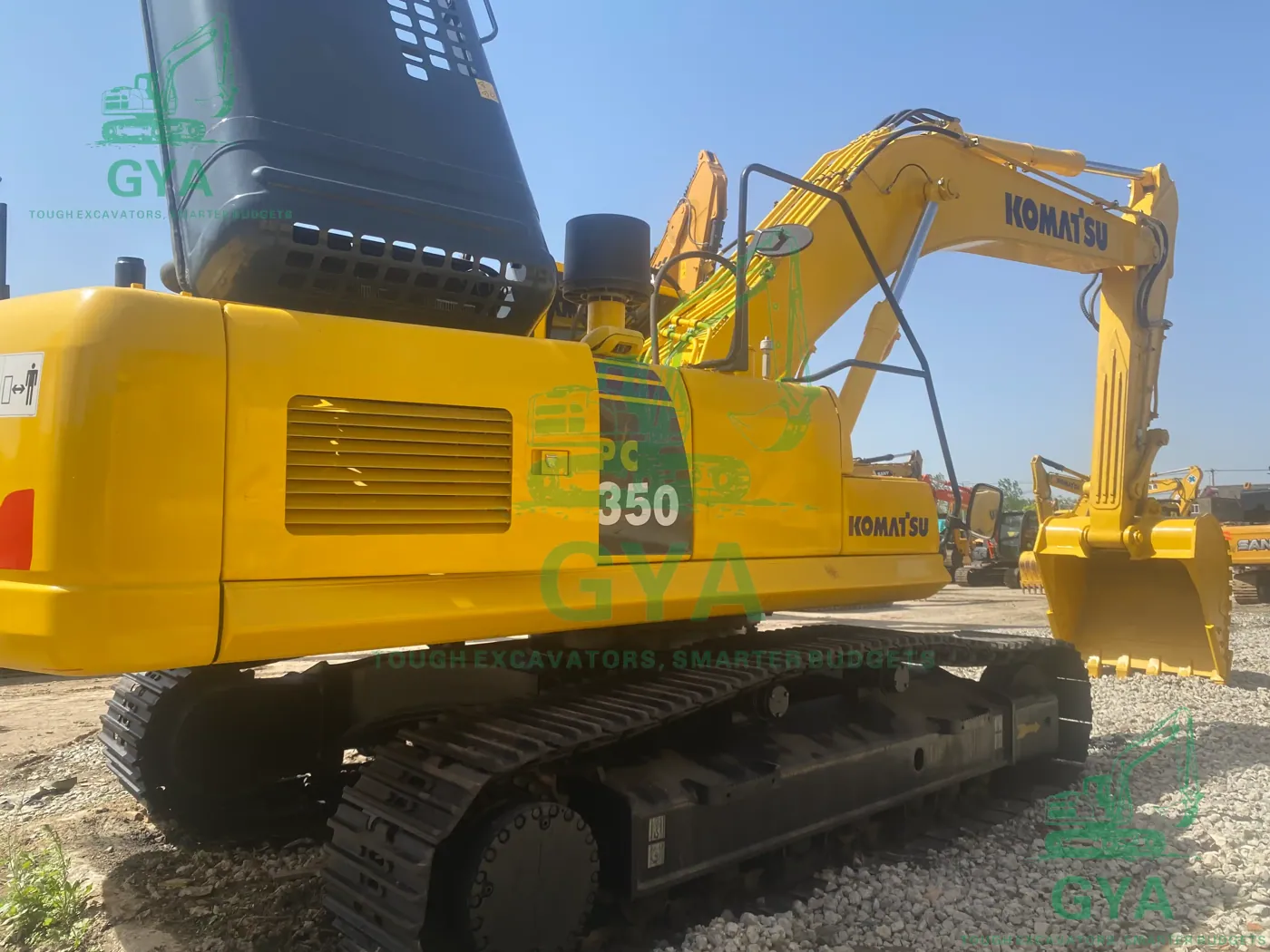
Used Komatsu PC350-8 excavator: what the badge does not tell you
The -8 is a platform designation. It points to a generation of machine and a family of components, and that is all. It does not tell you the year, the hours, the undercarriage condition, the hydraulic history or whether the machine spent its life on a breaker. Those facts live on the plate, in the service file and in a working video.
The spec table gives a common engine reference of SAA6D114E-3 for the PC350-8 and SAA6D114E for the PC350-7, then asks you to confirm the actual engine plate. Follow that instruction. The engine fitted to a particular unit, and any repair or replacement it has had, matters more than the reference in a table. Do not let a generation label stand in for a plate check.
The suffix matters too. Confirm whether the unit is a PC350-8 or a PC350LC-8, and read the plate rather than the listing title. The LC description is tied to the undercarriage and affects width, stability and the transport plan.
The 40,000 USD seam between PC350-7 and PC350-8
Because the PC350-7 band runs to 40,000 and the PC350-8 band starts there, the two generations overlap at a single point. That is not a rounding error; it is the most useful fact in the comparison. At the seam, you are choosing between the best of the older generation and the entry to the newer one.
A top-of-band PC350-7 is more likely to carry the better undercarriage and a straighter structure, because that is what justifies its position. A bottom-of-band PC350-8 may be there because of wear, hours, configuration or simply the seller's need to move it. Neither position is a verdict. Price both units with their repair reserves and the seam resolves itself.
If the newer unit needs a track group and the older one does not, the sticker difference is no longer the real difference; it is the gap between a machine that works and a machine that needs a workshop. Compare the ledger, not the badge.
Version, suffix and market plates
Used Komatsu machines move between markets, and a unit built for one market can carry a different specification from a unit sold new in another. That can affect the undercarriage, the counterweight, the boom and arm combination, the bucket and the auxiliary hydraulic lines. None of this is visible from the model name alone.
Ask for the plate, the engine plate and a photo of the boom and arm part numbers where they are stamped. Ask whether the machine has been repainted and whether any panels or counterweight have been replaced. A repaint is not a defect, but it hides history, so the plate and the working video carry more weight afterwards.
Paperwork is part of the version check. A machine that has moved between markets can carry a plate that does not match the listing title, and a seller who cannot photograph the plate clearly is a seller you should slow down for. Ask for the serial in writing, then check that the same serial appears on the invoice and the packing list before the bill of lading is issued. Correcting a serial after shipment is far harder than catching it at quotation.
Five questions that settle the choice
- What is the dominant work? Bulk earthmoving and truck loading reward the newer platform; rough short-term work with basic repair support favours the older one.
- What fuel and filters are actually available? A newer fuel system needs disciplined filtration and clean diesel. If that is not realistic on your site, the older engine generation is the lower-risk choice.
- Who will repair it? A workshop with diagnostic tools can support the newer platform. A workshop that prefers simple mechanical diagnosis will keep the older machine running with less friction.
- How long will you hold it? A long holding period makes fuel and resale value matter more; a single project makes purchase price and repair risk dominate.
- What evidence exists for this unit? Cold start, working video, undercarriage measurements, plate and meter in one frame, service records. If the evidence is thin, the generation argument is academic.
PC350-8 price: what moves a unit inside 40,000-44,000 USD
Within the band, the largest price drivers are the undercarriage, the hydraulic components and the structure. A machine with a recent track group, dry final drives and a strong boom foot sits at the top for a reason. A machine with worn shoes, a weeping cylinder and a repaired boom can sit at the bottom without being a bargain.
Configuration is the second driver: bucket size, shoe width, boom and arm length, auxiliary lines and whether a quick coupler is fitted. Destination and Incoterm are the third. A CIF quote to a distant port is a different number from an FOB quote at the Chinese port, and neither is comparable to a local asking price without the duty and clearing added.
Documents that carry the version, not just the model
A quotation for this machine is only useful if the paperwork follows the same suffix. The proforma invoice, commercial invoice, packing list and bill of lading should name the model as it appears on the plate, and the serial should match. If the listing says PC350-8 and the plate says PC350LC-8, resolve it before the deposit, not at the destination customs desk.
Arrange the inspection before the balance payment and keep the report with the shipping file. We quote FOB or CIF as an independent exporter, not a dealer, and we do not own the yards; the inspection and the plate photos are the record that travels with the machine. Ask for loading evidence before the vessel sails, and check the certificate of origin against the same model and serial.
PC350-8 inspection: generation-specific checks
For a used Komatsu 30-40 tonne class excavator, the generation is a starting filter, not a conclusion, so a PC350-8 inspection has to test the platform as well as the wear parts. Start with a cold start and watch the exhaust, the idle and the instrument panel. Ask whether any fault codes are stored and whether they have been cleared, and ask for the answer in writing. A cleared code is not proof of a repair.
Then run a full hydraulic cycle at operating temperature: boom, arm, bucket, swing and travel, plus a combined movement that loads the pumps. Listen for cavitation and check for drift. Inspect the fuel filter and water separator area, because a neglected filtration system is the most common warning sign on a common-rail machine.
Move to the undercarriage and measure it, then to the structure: boom foot, boom top, arm, bucket linkage, turret and counterweight. Finish with the plate and meter video and the transport measurements. The full sequence matters more than any single item, because a machine can pass one check and fail the next.
The maintenance bill that comes with a newer platform
A newer engine platform is not free to own. Common-rail fuel systems are less tolerant of water and dirt, filters have to be changed on schedule with the right parts, and diagnosis may need a laptop and software rather than a listening ear. Budget for filtration discipline and for a technician who knows the system. Factor in the water separator, the correct filter part numbers and a supply of spare elements before the machine starts work, not after the first rough tank of fuel.
That cost is real but predictable. The mistake is to buy the newer machine for its badge and then run it on the maintenance routine of the older one. If the site cannot support the newer platform, the cheaper purchase is the more expensive machine over a season.
When the PC350-7 is still the better buy
If fuel quality is inconsistent, if the local workshop has no diagnostic support, if the project is short and the resale market is price-sensitive, the older machine at 38,000-40,000 USD can be the better business decision. Its advantages are simplicity and tolerance, not performance.
Before you decide, compare the actual units rather than the bands. The generation question is settled by the work, the workshop and the evidence, not by the number after the model name.
Used Komatsu PC350-8 excavator FAQ
What is the PC350-8 price?
The listed model band is 40,000-44,000 USD. That is a reference range, not a quote for a specific unit; condition, configuration, destination and Incoterm decide the actual price.
Is a PC350-8 always better than a PC350-7?
No. The bands overlap at 40,000 USD, and a clean PC350-7 can be the better machine. The decision depends on the work, the repair support and the condition of the two units.
How do I confirm the generation?
Read the machine plate, not the advertisement. Confirm the model and suffix, the serial and the engine plate, and keep a video that shows the plate and the hour meter together.
What should the inspection cover?
Cold start and fault codes, a full hydraulic cycle at temperature, fuel filtration, undercarriage measurements, structure at the boom foot, and the plate and meter. Then confirm the transport dimensions.
Do you quote FOB and CIF?
Yes. We are an independent exporter, not a dealer, and we do not own yards. Send the discharge port and the unit details and both terms can be quoted with inspection and documents.
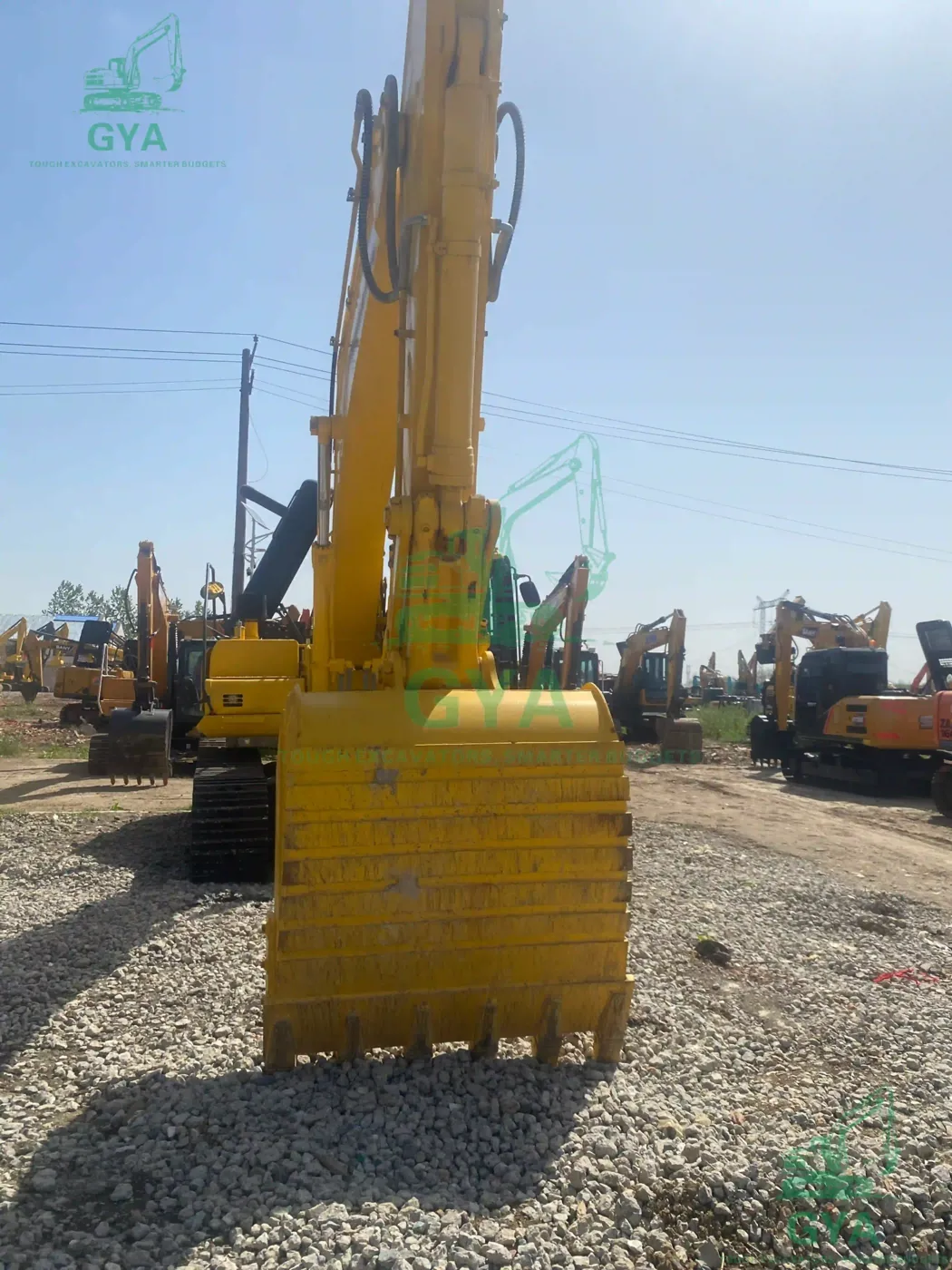
See the PC350-8 model page, the used Komatsu PC350-8 excavator listings, or read how inspection is arranged before you commit.
Komatsu buyer guides
Price bands, inspection and transport for the models buyers ask about.