Used Komatsu PC160-8 Excavator: Price Anomaly and Inspection First
A used Komatsu PC160-8 excavator is listed on this site without a usable price. The catalogue field for the model is malformed: the left-hand figure carries an extra digit, so the left side is larger than the right, and the result cannot be read as a range for a 16-ton machine. We have not corrected it by guessing, and we do not quote it. This article explains the anomaly, what a valid quotation must contain, and how to inspect a PC160-8 before any deposit.
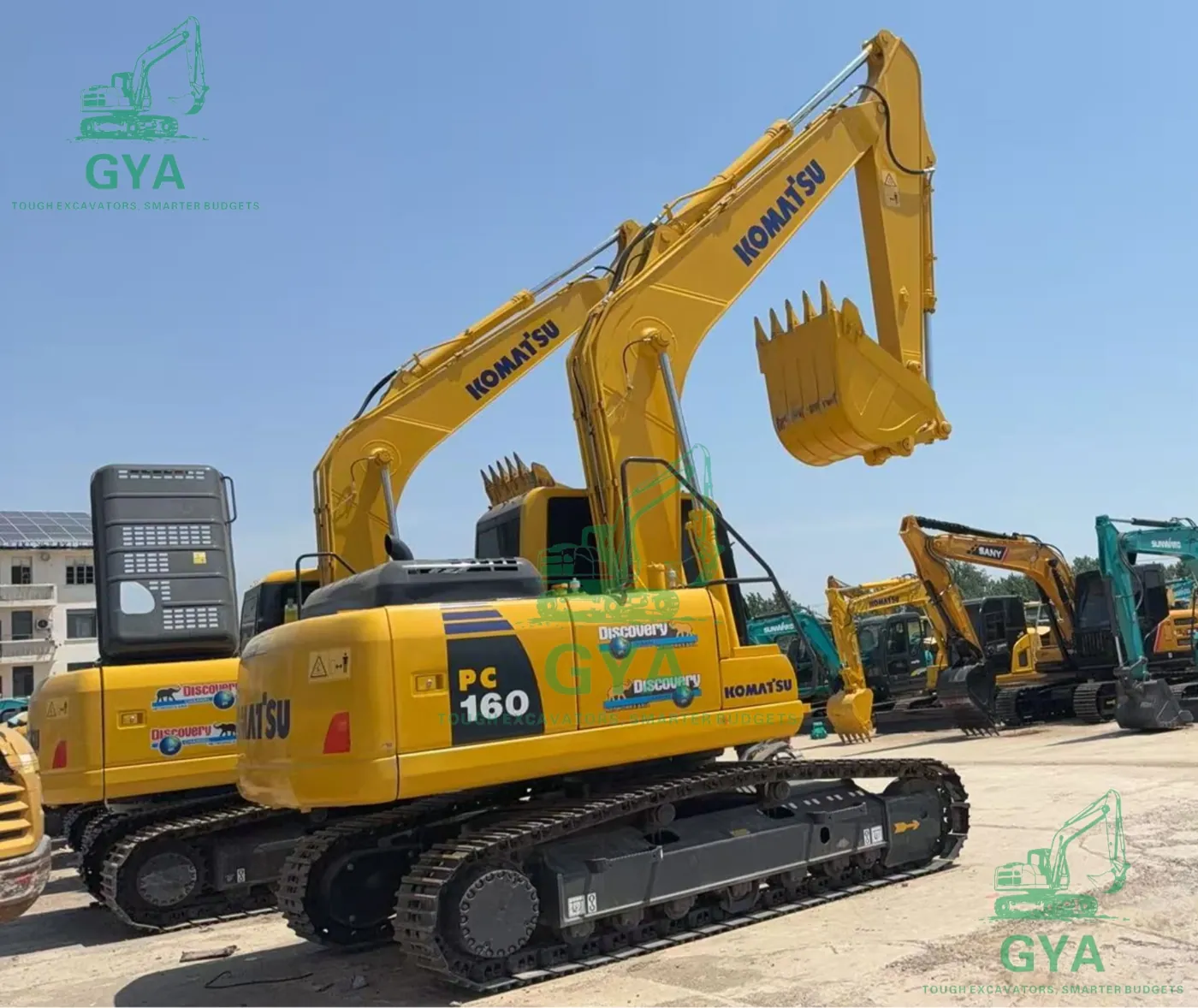
Why this page does not quote a used Komatsu PC160-8 excavator price
A price is only useful if it can be trusted. The PC160-8 catalogue entry cannot be trusted because it fails the most basic test of a range: the lower figure is not lower than the upper figure. The left figure also carries an extra digit, which would place the machine in a price territory that has nothing to do with the 10–20 t class it is listed in. Publishing that string would give buyers a false anchor and would make every later negotiation start from a number nobody can defend.
The honest answer is therefore NOT LISTED. This is not a negotiating tactic and it is not a hidden price. It means the source data is broken and has to be replaced by a unit-specific quotation. If you have seen the malformed figure on another site, treat it as a copying error rather than a market signal. Aggregators often scrape catalogue fields without checking whether the field parses.
What the malformed catalogue field tells you
The field appears to have been assembled from two different values. The left side carries an extra digit, and the right side is smaller than the left, so the pair cannot describe a real floor and ceiling. That pattern is consistent with a typing error, a duplicated digit, or a unit-price field merged into a range field.
There is a second inconsistency. The PC160-7, the previous generation in the same class, is listed at 22,000–24,500 USD. A valid PC160-8 range should be readable against that neighbour. The malformed entry cannot be compared with it at all, because the left side sits far outside both the class and the neighbouring band. When a number cannot survive a comparison with the model beside it, the number is the problem.
Do not repair the field yourself by removing a digit and assuming the result. That is guessing with extra steps. The correction has to come from the seller in writing, tied to a specific machine, and it has to survive the invoice.
What a valid PC160-8 quotation must contain
A quotation for this model should name the machine, not just the model. Ask for the serial number, the plate details, the year shown on the plate, the meter reading, the boom and arm configuration, the bucket, the track shoe width and any attachment. The reference figures for the PC160-8 are around 16,680–17,120 kg, a bucket around 0.65 m³ and track shoes around 500 mm, but the actual unit is what you are buying.
The commercial side must be equally specific: price, currency, Incoterm (FOB or CIF), named port, validity period, what is included, what is excluded, payment terms and the documents that will be issued. If the price is described as a band, ask whether it is a model reference or a firm offer for this unit. Those are different things and should not share a sentence.
Finally, ask for the correction in writing. If the catalogue field is wrong, the seller should say so and state the intended basis for pricing. A verbal correction is not enough when the same wrong figure may still be visible to the next buyer, and to your bank or customs broker.
Inspecting a used Komatsu PC160-8 excavator before anything else
A PC160-8 inspection comes before negotiation on this model, because there is no valid band to anchor the discussion. Without a price reference, condition is the only honest basis for a number. The goal is not to find a perfect machine. It is to build a repair list detailed enough that the price can be judged against it.
Ask for evidence that can be checked later: continuous video, timestamped photos, a plate-to-meter shot with no cuts, and a third-party inspection if the value justifies it. A collection of cropped close-ups is not a substitute for a walkaround. Neither is fresh paint.
The ten-point evidence set
- Plate and suffix. Confirm the machine is a PC160-8, not a PC160-7 with a changed decal. Read the serial and compare it with the offer, the proforma and the documents.
- Cold start. The video should begin with the engine off and show the first crank. Note crank speed, smoke, idle stability and any knock. A start after the machine has been warmed tells you much less.
- Monitor and fault history. Ask for the display with the key on, then again after the machine has worked. Stored codes, warning lamps and a monitor that has been reset are all signals worth questioning.
- Combined hydraulic operation. Ask for boom, arm, bucket and swing together, then travel. Watch for lag, drift, weak power and noise. A single function moving smoothly is not a hydraulic test.
- Pump and valve area. Look for weeping seals, recent hose replacement, respray over oil and any sign that the pump has been out. Ask when the hydraulic oil and filters were last changed.
- Undercarriage. Request measured link height and bushing wear if the seller can provide them, plus close photos of shoes, rollers, idlers, sprockets and the track adjuster. Around 500 mm shoes are the reference, but confirm the actual unit.
- Swing bearing and play. Ask for a swing test with the arm extended and a close view of the bearing area. Grease condition, noise and visible movement matter more than a clean paint line.
- Structure. Inspect the boom foot, arm root, bucket linkage, turret and counterweight for cracks, fresh welds or filler under paint. A crack is a stop item until it has been assessed by someone qualified.
- Engine. Confirm the engine plate against the SAA4D107E-1 reference, then check blow-by, smoke, coolant condition and fuel system leaks. Around 86 kW at 2200 rpm is the published reference; the plate is the authority.
- Travel and final drives. Ask for both tracks in forward and reverse, a straight-line test and a close view of the final drive housings for leaks or recent work.
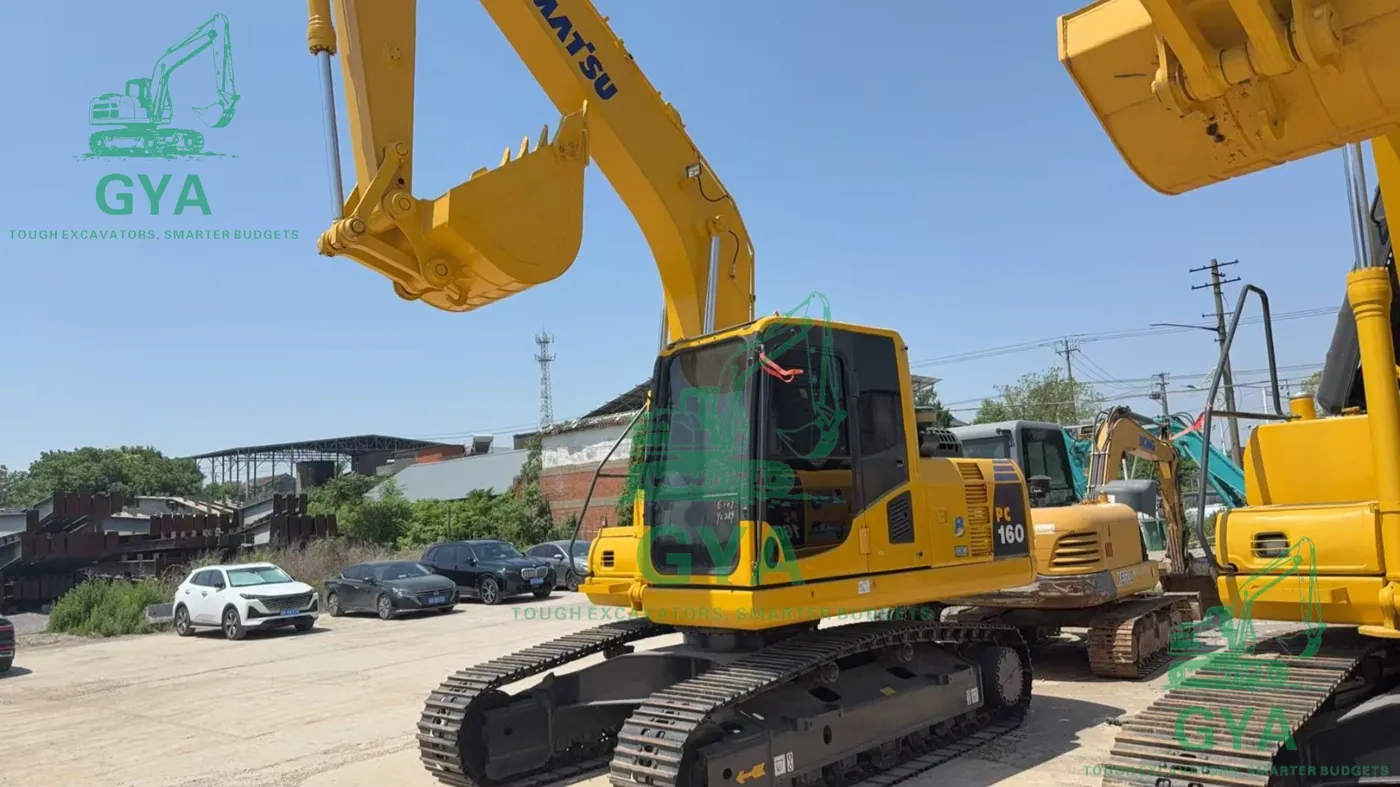
Engine and electronics on the -8 generation
The PC160-8 is described on this site as an electronic common-rail generation machine. That is the main mechanical difference from the PC160-7, and it changes what you should ask about. Common-rail systems depend on clean fuel, correct filtration and a technician who can read the control system. In a market with inconsistent diesel or thin diagnostic support, that dependency is a real ownership cost, not a theoretical one.
Ask for the fault history, not just the current screen. Ask whether sensors, injectors or the control unit have been replaced, and for the invoices if they have. A machine that has had a major electronic repair can still be a good buy, but the repair should be documented and reflected in the price. An undocumented repair is an unknown.
The model notes position the -8 for buyers who care about Tier 3 or Stage IIIA acceptance, smoother operation and rental presentation. Those are positioning statements, not a certificate. Check the engine plate and your country's import rules before you commit. Emissions acceptance is a documentary question, and it is decided at the border, not in a listing.
Undercarriage, structure and the 500 mm shoe
The published reference for track shoes is around 500 mm, and the operating weight is around 16,680–17,120 kg. Both figures move with configuration: wider shoes, a heavier counterweight or a different bucket will change the weight, and the transport dimensions will change with them. Ask for the measured width and the boom-down height before anyone books a vessel.
On a used Komatsu 16-ton excavator, the undercarriage is a large share of the replacement cost, so it deserves more than a photograph of the outside of the track. Ask for wear measurements, or at least a photo with a tape or caliper against the link and the sprocket teeth. Ask whether the chains are original and whether the pins and bushings have been turned. A renewed undercarriage is a price argument only if the invoice or the measurements support it.
Structure is the other half. Repainting is common before export, and it can hide a welded boom or a repaired arm. Ask what was painted and why, and look for weld beads that do not follow the factory pattern. If the seller cannot explain a repair, price the machine as if the repair is unresolved.
Documents, inspection and loading
We are an independent exporter. We are not a Komatsu dealer and we do not own yards, so the machine is inspected at source and shipped against your requirement rather than pulled from our own stock. That makes the paper trail more important, not less: the inspection report, photos and serial number are how you verify that the unit you paid for is the unit that was loaded.
Ask for a proforma invoice that names the machine and the serial, states the Incoterm and the port, and separates the machine price from freight and insurance if the quote is CIF. Before the balance payment, ask for the inspection evidence and the loading plan. After shipment, the export file should include the commercial invoice, packing list, bill of lading and certificate of origin. Check that the serial on the documents matches the plate in the video.
FAQ: used Komatsu PC160-8 excavator price and inspection
Why is there no price on this page?
Because the catalogue range for the PC160-8 is malformed and cannot be parsed. Quoting it would mislead you, so the PC160-8 price is marked as not listed until a unit-specific quotation is issued.
Can you estimate the price from the PC160-7?
No. The PC160-7 band is 22,000–24,500 USD, but the PC160-8 is a different generation. A premium may be expected, but an expectation is not a quotation, and we will not invent a percentage.
How do I know the machine is really a PC160-8?
Check the plate and serial against the offer, the proforma and the export documents. Decals and paint are not evidence. A continuous plate-to-meter video is the minimum.
What is the first inspection item?
Identity. If the plate, serial and model suffix do not match the offer, stop. Condition questions are secondary until the machine is confirmed to be the machine being sold.
Do you quote FOB or CIF?
Both. Send the destination port and the unit under consideration, and the quotation will state the term, the port, the currency and what is included.
For the model reference, see the used Komatsu PC160-8 excavator page. For the price question in more detail, use the PC160-8 FOB price reference. If the older generation fits your fuel and repair conditions, the PC160-7 model page is the alternative.
Komatsu buyer guides
Price bands, inspection and transport for the models buyers ask about.