Used Komatsu PC78-6 Excavator: Inspection First
The used Komatsu PC78-6 excavator is a compact 6–9 t machine listed on this site at 12,000–14,000 USD. That is the lowest band in the compact 6–9 t group here, and a low band changes the job of inspection. On an expensive machine a defect is a negotiating point. At this level a defect can be the difference between a working purchase and a project. This guide is ordered the way the evidence should arrive: identity first, structure second, hydraulics third, running gear last, and money only after all four.
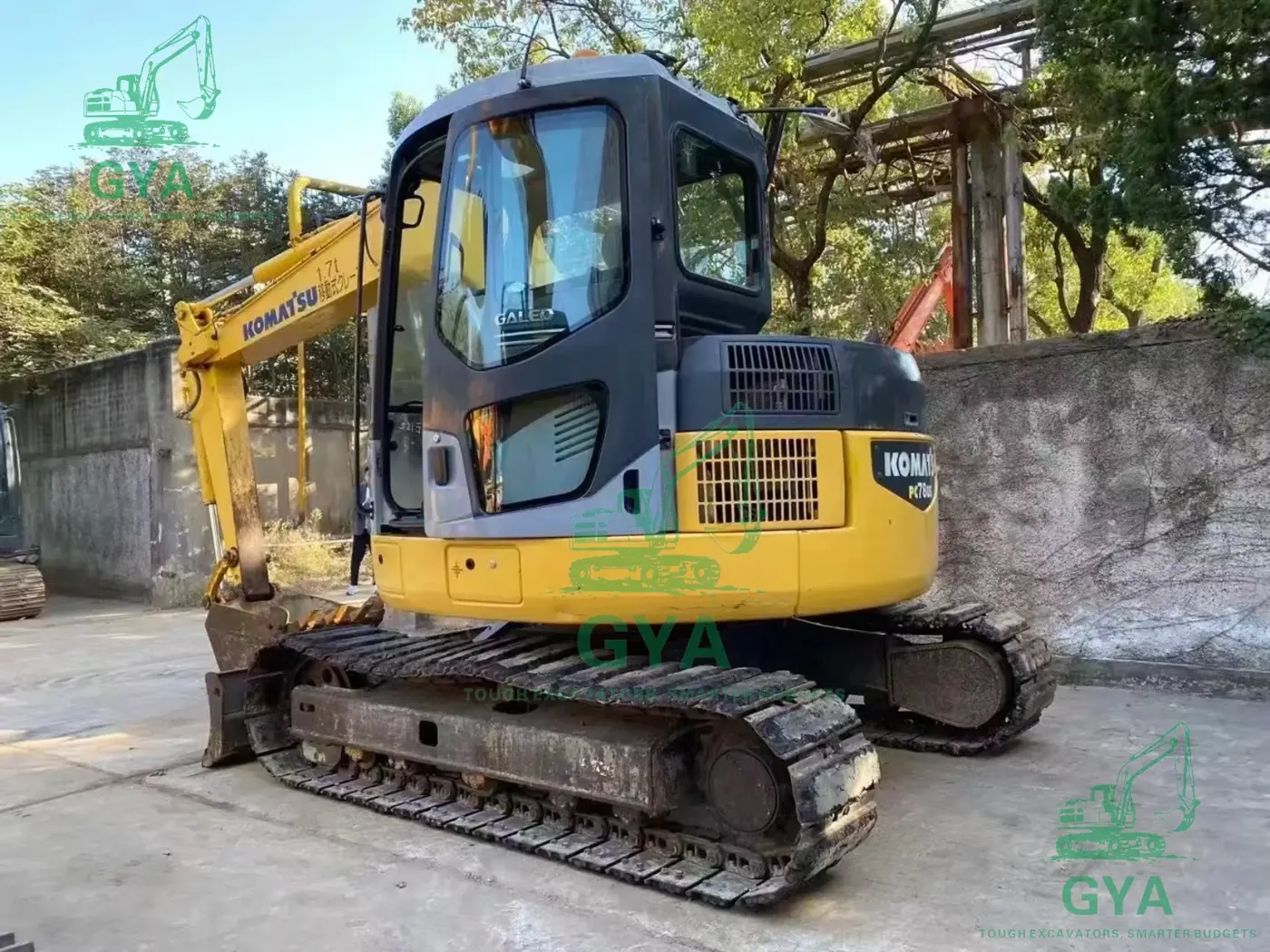
Why the used Komatsu PC78-6 excavator needs a stricter file
The band is two thousand dollars wide. If a repair quote exceeds that width, the sticker stops being the headline number and the machine becomes a different proposition. A buyer who opens with price will end up negotiating the wrong thing, because the seller is the only party who already knows what the machine needs.
The catalogue places the PC78-6 below the PC60-7 at 16,500–19,000 and the PC70-8 at 18,000–20,000, with the same class label attached to all three. The catalogue does not explain that gap, and no honest page should invent a cause. What follows from it is practical: on this model the condition of the individual unit carries more of the value than the badge does.
The PC78-6 price band and the mistake it invites
A low band reads as low risk. The arithmetic says otherwise. A 4,000 dollar repair against a 14,000 dollar machine is close to thirty percent of the top of the band. The same repair against a machine at twice the money is roughly fourteen percent. The cheaper machine is not the cheaper mistake when something major is wrong, and that asymmetry is the reason this article spends its words on evidence rather than on discount tactics.
There is a second trap. Sellers of low-band machines often present a single wide photograph and a price, and buyers accept it because the number feels small. The photograph is not a file. Until you hold an identity video, structural close-ups, a hydraulic cycle and measured wear, you are pricing a rumour.
Evidence order: what to request before money is discussed
Ask for the file in a fixed order and do not accept a reordering. Sellers who lead with price are usually leading with the only variable they control.
- One continuous video from the serial plate to the hour meter.
- Close-up photographs of these areas: boom foot, boom mid-section, arm, bucket ears, turret, counterweight, both track frames.
- One full hydraulic cycle, filmed from outside the cab, with the bucket working ground.
- Undercarriage measurements with the method named.
- Service records and every repair invoice the seller mentions.
If any item cannot be produced, note it as a gap rather than a failure. Gaps are normal on older machines. Undisclosed gaps are not.
PC78-6 inspection, stage 1: identity, meter and paperwork
Start at the plate. The model number suggests an earlier generation than the -8 machines, but the catalogue publishes no year, so the plate and the documents are the only identity facts available. Photograph the plate, the stamping on the frame if present, and the hour meter in the same continuous take.
Then compare. The serial on the listing, the serial on the plate and the serial on any document should agree. If the meter reading sits far below the wear visible on the pedals, seat, joysticks and pins, ask for the meter history. A replaced meter is not fraud by itself; an unexplained replacement is a question that must be answered before money moves.
PC78-6 inspection, stage 2: structure and the weld map
Structure is where a cheap machine becomes expensive. Work along the boom foot, the boom mid-section, the arm, the bucket ears and the turret, with light held across the surface rather than straight at it. A crack shows as a line, a shadow or a change in paint texture; a repair shows as a weld bead, a plate, or fresh paint over an otherwise worn area.
Build a weld map: one photograph per repair, a note of where it sits, and the name of whoever did it. A documented repair can be acceptable. A hidden one tells you what the rest of the file is worth. Pay particular attention to the boom foot and the area around the turret ring, where a crack is a stop signal until a mechanic has assessed it.
PC78-6 inspection, stage 3: hydraulics under load
Three tests, in this order. First the dead band: how far the joystick travels before the function responds. A wide dead band points to linkage wear or a tired control valve. Second the drift: hold the boom raised and watch whether the rod creeps. Third the cycle under load, because a machine that sounds clean in the air can groan once the bucket bites.
While the machine is warm, look at the cylinder rods for scoring, the hoses for cracking and rubbed sleeves, and the oil on the dipstick for colour and smell. Then ask for the first start of the day on video. A warm machine hides a cold-start problem, and the cold start is the one you will live with every morning.
PC78-6 inspection, stage 4: undercarriage measurement
A percentage without a method is an opinion. Ask for the measurement and the standard it was taken against: shoe height, link height, bushing diameter, roller diameter, sprocket tooth profile. Photographs help, but they flatter worn parts under a coat of mud or fresh paint.
Check track tension on both sides, look for a seized link, and roll the machine slowly while watching each roller. On a compact machine the undercarriage is a large share of the replacement value, and it is also the item most often described loosely in a listing.
Turning defects into a number
Sort every finding into three buckets. Consumables — teeth, hoses, filters, oil — are a service bill and belong in your first-week budget. Repairable items — pins and bushes, a cylinder reseal, a roller or a sprocket — need a written quote from a local mechanic, not an estimate from the seller. Structural items — a crack, a bent arm, turret damage — need an assessment before they can be priced at all.
Then add. Asking price plus quoted repairables plus a reserve for the structural question gives you a working number. If that total passes 14,000 before freight, the unit has left the band’s economics, and you should be able to state why you are still interested. Often the honest answer is that you are not.
What an inspection cannot prove
It cannot prove the hour meter is true, the remaining life of the engine, or that nothing will fail next month. It can prove what is visibly worn, what has been repaired, and whether the seller’s file is internally consistent. Buyers who expect certainty will overpay for confidence. The realistic goal is a known repair reserve and a machine whose faults you have already priced.
A used Komatsu compact excavator in this band is normally bought to work immediately, so downtime belongs in the cost model as well. Ask how many days the machine can be down before the saving disappears. On a low-band unit that number is smaller than most buyers expect.
Buying the used Komatsu PC78-6 excavator with no yard to visit
This site is an independent exporter, not a dealer with a yard, so the purchase runs on documents and third-party evidence rather than on a walk-around. Name the machine, the port it is going to, and the job. A shortlist follows, and a third-party inspection can be arranged before the balance payment; the report should reach you directly.
The proforma should tie the price to a serial number, an Incoterm and a named port. After payment, confirm the loading method and the export set — commercial invoice, packing list, bill of lading, certificate of origin — and check that the serial on the paperwork matches the plate you saw on video. FOB and CIF are both available; neither carries duty, VAT or clearing at destination.
FAQ: used Komatsu PC78-6 excavator
Is 12,000–14,000 USD the price of a specific PC78-6?
No. It is the catalogue band for the model. The unit price is quoted against a machine, its condition and its destination.
What is the first thing to inspect?
Identity: one continuous video from the serial plate to the hour meter, checked against the listing and the documents.
Can a faulty PC78-6 still be worth buying?
Yes, if the faults are known and priced in writing. It is not worth buying if the repair quotes are unavailable or the structure is unassessed.
Do you arrange inspection?
A third-party inspection can be arranged before the balance payment. The report is sent to the buyer, not only to the seller.
Do you quote FOB or CIF?
Both. The quote states the Incoterm and the named port, so the two can be compared on the same unit.
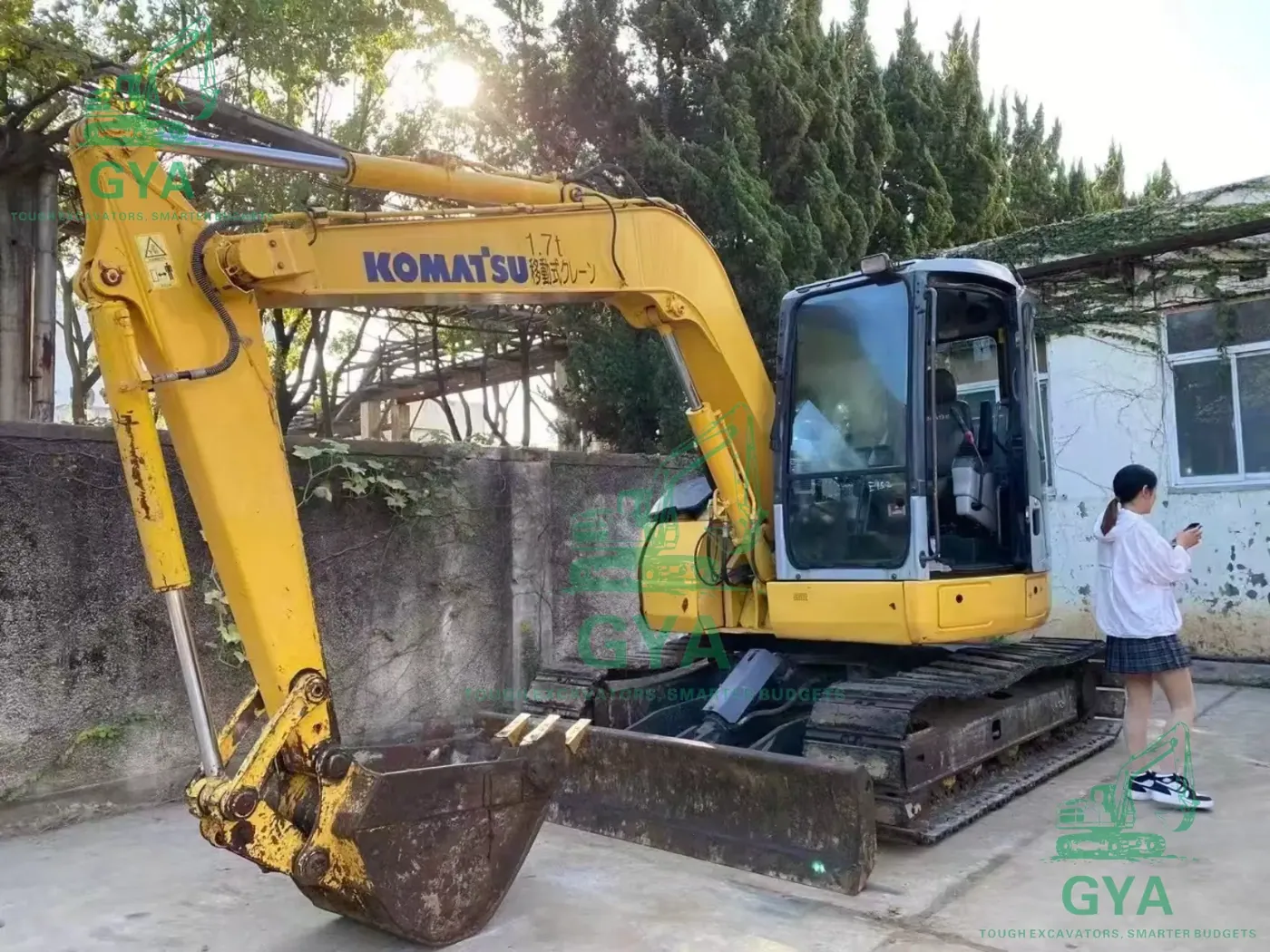
Check the used Komatsu PC78-6 excavator model page for the class and band, or request the current PC78-6 for-sale file before booking an inspection.
Komatsu buyer guides
Price bands, inspection and transport for the models buyers ask about.