Used Komatsu PC60-7 Excavator: Transport and Loading Guide
A used Komatsu PC60-7 excavator is listed here as a compact 6–9 t machine with a model band of 16,500–19,000 USD. Most buyers stop reading at that number. The purchase, though, is decided later — in the measurements, the booking, the lashing and the loading video. The band tells you roughly what the machine costs at origin. It says nothing about whether the unit will fit the equipment you have booked, or whether the container will arrive holding the same machine you approved.
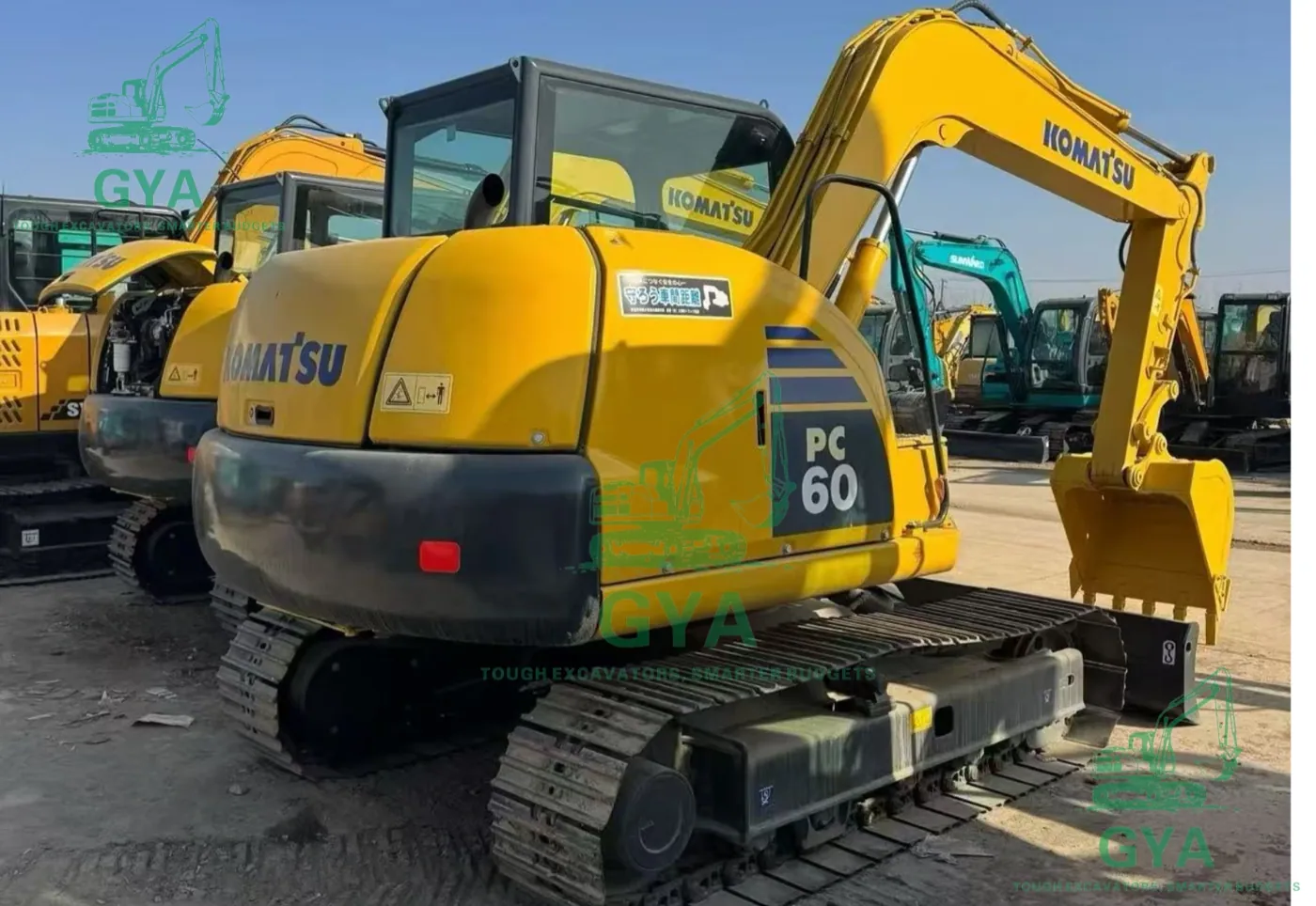
What the 16,500–19,000 USD band covers
The band is a model-level reference at FOB level. It describes the machine at the origin port, before the main carriage. Ocean freight, insurance, import duty, VAT, clearing, port charges and inland delivery all sit outside it. On a compact excavator those items can add a large fraction to the total, and they vary by route rather than by machine.
A CIF quotation moves the main carriage and insurance into the seller's scope, but it still stops at the destination port. It is not a delivered price. If a supplier offers "CIF to your yard", ask which leg is actually included and who clears customs. The answer changes both the number and the risk. For a used Komatsu compact excavator, the booking is not an afterthought to the purchase; it is half of what the machine costs to put on site.
Used Komatsu PC60-7 excavator: measure before you book
The data file publishes no transport dimensions and no operating weight for the PC60-7. That is not an omission to work around; it is a signal to measure. A catalogue figure describes a catalogue machine, and the machine you are buying has a specific bucket, possibly a coupler, possibly a blade, and a specific amount of fuel in the tank. All of those change the number the forwarder needs.
Measure on level ground with the machine in its travel position: boom folded as it will ship, bucket curled, blade raised or removed as agreed. Use a tape, not an estimate. For weight, ask for a ticket from a public weighbridge with the date and the machine's identity on it. A seller who cannot produce a weight ticket is asking you to book freight on a guess.
Container, flat rack or breakbulk: a decision tree
Three questions decide the method, in this order. First, do the measured dimensions clear the container opening with working margin, and is the loaded weight legal for the route? If yes, a container is usually the simplest and best-protected option. Second, if width or height is the blocker but the machine can be deck-loaded, a flat rack becomes the candidate. Third, if the unit is too heavy or too tall for either, or the route has no suitable container service, breakbulk or RoRo is the honest answer.
The seller does not get to choose this. The forwarder does, using the measurements and the route. Ask for the loading plan in writing, with the equipment type, the number of units per booking and the lifting method. A plan that arrives after the deposit is a plan you cannot price.
PC60-7 transport: five measurements the forwarder needs
Send these five numbers and the booking conversation becomes short. Overall length in the travel position. Overall width across the widest fixed point, usually the tracks. Overall height to the highest point, which may be the cab roof or an exhaust stack. Actual weight as configured, from the weighbridge ticket. Lifting points, their count and their condition.
Add photographs of the machine from four sides with a tape visible in each frame. If the machine carries a blade, a coupler or an attachment, say so explicitly and measure with it fitted. A forwarder who receives five numbers and four dated photos can quote with confidence. One who receives a model name can only guess.
Loading day: what the video should prove
Ask for one continuous loading video. It should open at the serial plate and the hour meter, show the machine starting and working briefly, then follow it onto the trailer, into the container or onto the rack. The clip should end with the container or rack number and the seal. That single file links the machine you inspected to the box that sails.
Before loading, the tracks and undercarriage should be cleaned of soil and plant material. Many destinations treat soil as a biosecurity risk, and a dirty machine can be held, washed or fumigated at your cost. Loose tools, buckets and spare parts should be listed and either secured inside the unit or packed separately with the packing list. Windows and doors should be closed and locked, the boom secured, and the fuel level recorded.
Lashing and blocking: questions for the loader
Ask what will be used: rated chains or straps, and at what capacity. Ask where they attach, and confirm that nothing is tied to hydraulic lines, hoses or sheet-metal panels. Ask for timber blocking under the track frames so the machine cannot walk or slide, and for protection at every contact point where a chain crosses a painted or structural edge.
If the machine travels by road before the sea leg, ask who checks the lashing after the first stretch. Tension changes. A load that was tight at the yard can be loose at the port. Photographs of the finished lashing, taken before the doors close, are part of the evidence file, not a courtesy.
PC60-7 inspection: the last check before the doors close
The inspection does not end when the deposit is paid. Run a final check on loading day: plate and meter again, a short working cycle to confirm no new leak, track tension, visible loose bolts, and the ground under the machine after it has stood. Confirm that the bucket, coupler and any attachments listed on the invoice are physically present.
Check the fluids that could soil the deck or the container floor. A machine that marks its spot at the supplier's yard will mark it in the box, and the stain will be the first thing the importer photographs. Fix the cause before loading or document it in the inspection report so that no one later mistakes it for transit damage.
PC60-7 price: why the landed figure differs from the band
Two buyers can agree the same unit price and still pay different totals. The route, the loading method, the insurance cover and the clearing agent all move the landed number. A container booking and a flat-rack booking for the same machine are not interchangeable quotes, and comparing them as if they were is a common mistake.
Build the landed figure in one column: unit price, main carriage, insurance, duty, VAT, clearing, port charges, inland delivery and a repair reserve. Then compare that total with a local machine of similar condition. Only at that point does the band become useful, because only then is it being compared with the right thing.
Risk, insurance and the Incoterm you signed
The Incoterm decides who arranges carriage and insurance, and where risk passes. Under CIF the seller arranges minimum cover, which may not be enough for a used machine with a repair history. Ask for the certificate, check the insured value against the invoice value, and decide whether additional cover is worth the premium.
If the machine arrives damaged, the survey should happen before unloading wherever the port allows it. Photograph the seal, the doors, the lashing and the damage in sequence. An insurance claim with no survey and no loading video is a slow argument. The loading evidence you collected earlier is what makes the claim short.
Export documents for a used Komatsu PC60-7 excavator
This site is run by an independent exporter, not a dealer and not a yard owner. The machine is sourced for your requirement, inspected at the supplier's location and shipped after you approve the evidence. Because no yard holds the unit, the document set is the chain of custody: proforma invoice with model, serial number, price, Incoterm and destination; commercial invoice and packing list that match it; bill of lading or sea waybill that matches the booking; certificate of origin; verified gross mass declaration; and the inspection report with dated photos and video.
Check the serial number across every document before the balance is released. A single mismatched digit can stop clearance for days. Payment should follow the same logic: deposit against the proforma invoice, balance against the agreed documents or the accepted inspection file, never against a promise that the paperwork will follow.
FAQ: used Komatsu PC60-7 excavator
Does the 16,500–19,000 USD band include shipping?
No. The band is a model-level FOB reference. Freight, insurance, duty, VAT, clearing and inland delivery are separate lines.
Which loading method will my machine need?
That depends on measured dimensions, actual weight and route. Send the five measurements to a forwarder and ask for a written loading plan before you commit.
What if the seller's dimensions differ from my forwarder's?
Trust the tape and the weighbridge ticket, not the listing. Re-measure with the machine in its travel position and ask for dated photos showing the tape.
Can the machine be inspected before loading?
Yes. An independent inspection can be arranged at the supplier's location, and its report should travel with the loading video and the document set.
Do you own the machines you list?
No. This is an independent export business with no owned yards and no dealership role. Units are sourced per enquiry and inspected before shipment.
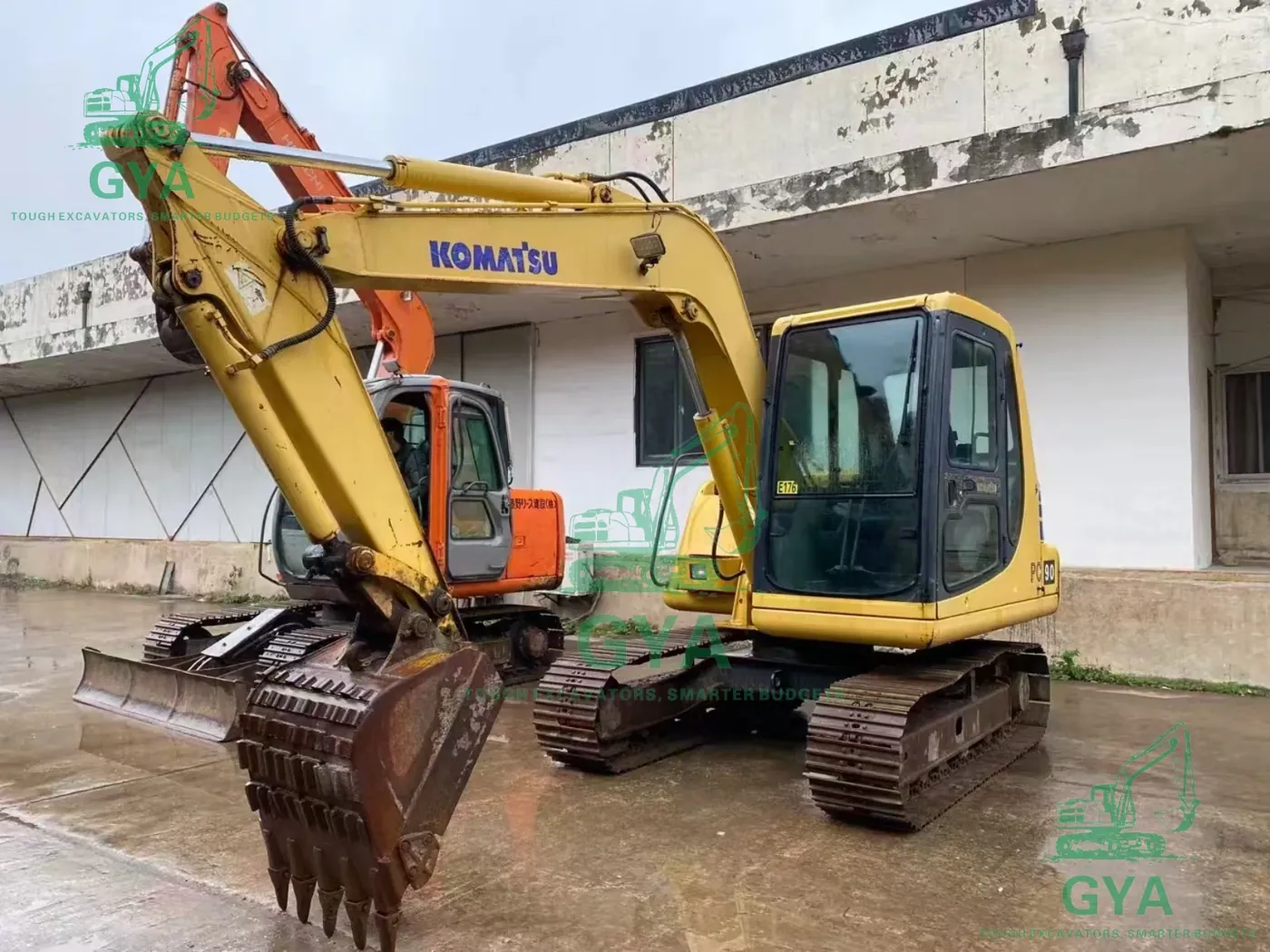
See the used Komatsu PC60-7 excavator model page for the published band, compare the next model up on the Komatsu PC60-8 page, or step down to the PC56-7 mini excavator if access is the real constraint.
Komatsu buyer guides
Price bands, inspection and transport for the models buyers ask about.