Used Komatsu PC300-8 Excavator: Transport and Loading Guide
The used Komatsu PC300-8 excavator is a 30-40 tonne class crawler machine, and the catalogue does not publish a price for it. That single missing number changes how you should shop. With no model band to anchor the conversation, every quote has to be built from the actual unit, its configuration and the route to your discharge port. Transport is the part most buyers underestimate. A machine in this class is normally too tall and too heavy for a standard container in one piece, so the loading method, boom removal and port choice can move the landed cost by more than a small difference in the asking price. This guide takes the loading decision first and the inspection second, because the two are linked.
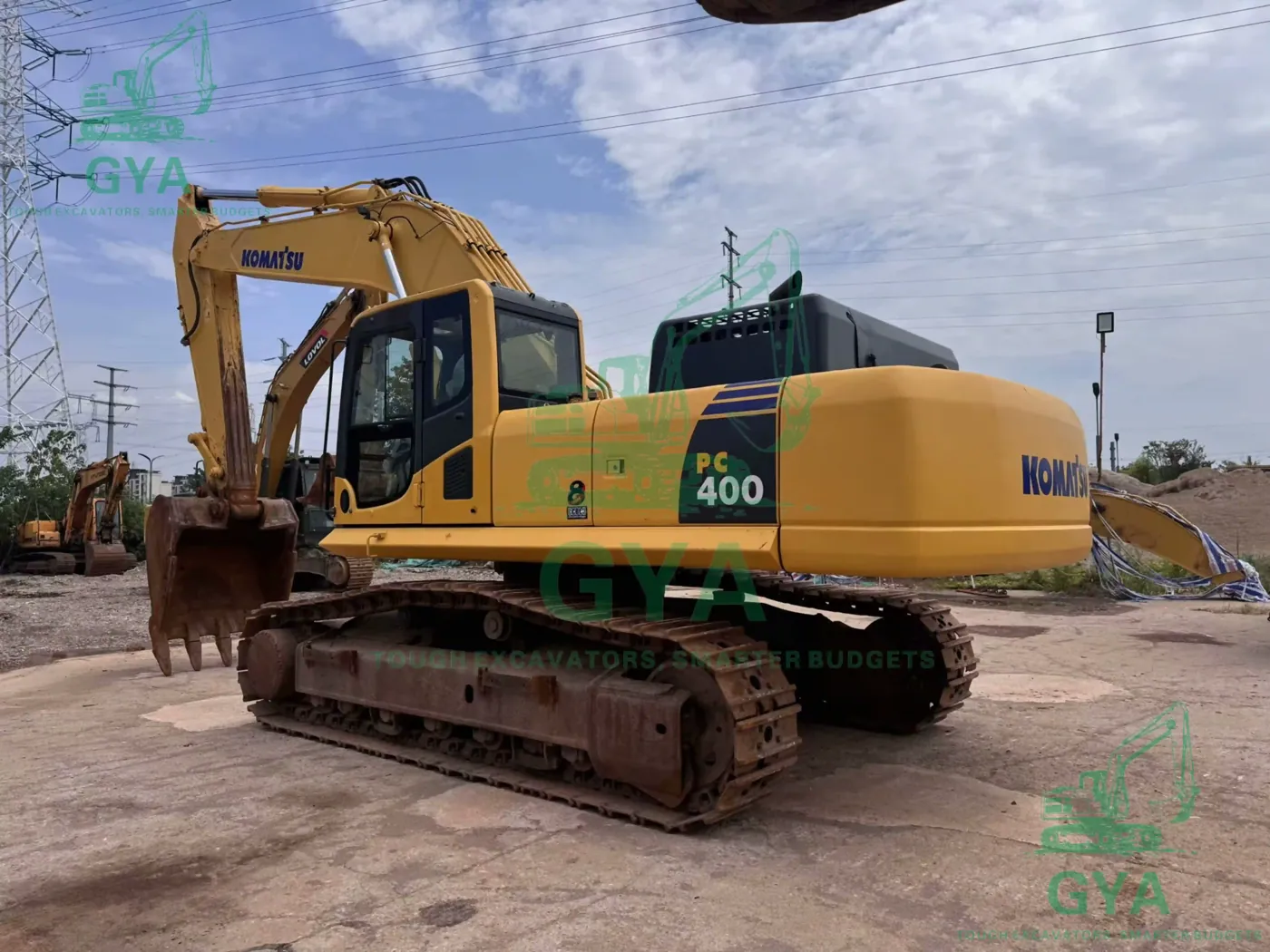
Used Komatsu PC300-8 excavator: why the price field is empty
The model file lists the PC300-8 in the 30-40 t class with an empty price field. That is not an oversight to be filled with a guess. It means there is no catalogue band for this model, and any number you see online that claims to be a PC300-8 band should be treated as someone else's estimate until it is tied to a specific machine.
Do not borrow the PC300-7 band of 44,000-46,000 USD and present it as a PC300-8 price. The two are different generations, and a borrowed number is worse than no number because it makes a budget look settled when it is not. The same rule applies to the newer PC350-8 band of 40,000-44,000 USD: it is a real band for a different model, not a proxy for this one.
What a quote needs instead: the machine plate and serial, the boom and arm configuration, the bucket, the shoe width, the undercarriage condition, the destination port and the Incoterm you want. With those, an exporter can price the machine and the freight separately. We quote FOB or CIF as an independent exporter, but we do not own the yards where machines stand, so the price is attached to a unit that has been checked, not to a yard address.
The transport envelope comes before the price
The spec table describes the PC300-8 as around a 32-tonne class machine depending on configuration, with a bucket commonly around 1.4-2.0 m3, and it asks you to confirm the actual bucket. Treat "around" as the operative word. Counterweight, shoes, boom mode and any attachment change the number a forwarder will quote.
Before you ask for a freight rate, ask for five measurements taken with the machine as it will be shipped: overall width over the shoes, overall height to the cab or boom, overall length with the boom folded, the weight on the plate, and the lifting points. A tape measure in the photo is worth more than a brochure. If the seller cannot produce those measurements, the freight quote is a guess, and the guess will be corrected at the port at your expense.
Container, flat rack, RoRo or breakbulk: decide in that order
Work from the cheapest loading method upward and let the measurements eliminate options instead of wishful thinking.
Container first, but rarely in one piece
A 30-40 tonne class excavator normally exceeds what a standard container can take in one piece, in both payload and height. The container question only becomes real if the machine is dismantled enough to fit, and that decision belongs to a forwarder who has seen the dimensions. If someone offers a container rate without asking for height, width and weight, the rate is not for your machine.
Flat rack and breakbulk
A flat rack or breakbulk booking puts the machine on deck or in the hold under a lifting plan. This is where lashing quality, crane capacity at both ends and stevedoring charges become visible line items. Ask who supplies the lashing material and who signs off the securing plan. On a heavy unit that is not paperwork for its own sake; it is the difference between a machine that arrives straight and a damage claim nobody wins.
RoRo where the schedule fits
RoRo is often the cleanest option for a crawler excavator because the machine drives on and off. It is also schedule-bound: not every port pair has a service, and terminal height and ramp limits apply. A RoRo rate that saves freight but adds weeks of waiting may save nothing on a project with a start date.
Ask the forwarder to quote against the measured unit and the discharge port, not against a generic 30-tonne machine. Then compare the total, including inland delivery and unloading at destination, with the other method.
What removing the boom, arm and counterweight changes
Dismantling can turn an impossible container booking into a possible one, but it is neither free nor neutral. It adds labour at origin, a lifting plan, matching marks on hoses and pins, and a re-assembly job at destination that has to be done to torque and seal correctly. Pins and bushes handled roughly during removal become a repair item.
Decide this with the forwarder before payment, not after. If the machine will be dismantled, photograph and label every connection, bag and tag the hardware, and put the re-assembly sequence in the shipping file. A machine that arrives with a missing pin or an unmarked hose sits idle while your fitter guesses.
Port choice, inland legs and the last mile
The loading port should follow the vessel schedule and the inland haul from where the machine actually stands, not a default port chosen out of habit. A shorter inland leg to a smaller port can beat a longer haul to a hub, and a direct sailing can beat a cheaper freight rate that transships twice.
At the destination end, confirm the discharge port can handle the method you chose. Breakbulk needs crane capacity and a berth. RoRo needs a ramp and a terminal that accepts the unit. Inland transport needs permits, bridge limits and a low-bed trailer that matches the measured height. These are questions for the buyer's forwarder, and they should be answered before the machine is booked, not when it is already on the water.
Insurance and the moment risk transfers
Read the Incoterm before you assume you are covered. Under FOB, risk normally passes when the goods are on board; under CIF, the seller arranges freight and insurance to the destination port, but the risk still transfers at origin. That means your own marine cover should start early enough to catch the loading operation, not the arrival.
Ask what the policy covers for a heavy machine: lifting, lashing failure, water damage and total loss. Photograph the machine before lashing and after loading. If a panel is damaged, the pre-loading images decide whether the damage happened on the ship or before it.
Loading day: the evidence to collect
Ask for a short video that shows the machine moving onto the trailer or into the terminal, the lashing being completed, and the final position with the securing points visible. Ask for stills of the four corners and the plate. If a surveyor attends, record the report number and the date. Without a pre-loading record, every mark becomes a debate.
If you are paying a balance before shipment, make the loading evidence part of the release condition. It is a reasonable request, and a professional seller will already be collecting it.
Documents that must match the machine
The export file should contain the commercial invoice, packing list, bill of lading and certificate of origin, and the model and serial on those documents must match the plate on the machine. A packing list that describes a "PC300" without the suffix is a document problem waiting at customs. If your bank or your port requires an inspection certificate, arrange it before loading so the certificate describes the same unit that goes on the vessel.
Check the consignee details, the port of discharge and the Incoterm on the proforma against what you agreed. Corrections after the bill of lading is issued are slow and sometimes impossible.
PC300-8 inspection with transport in mind
A pre-shipment inspection is not only about whether the machine runs. It is also about what will survive a sea passage. Look at the boom foot and the welds around it, the arm and bucket linkage, and the track frame for cracks or fresh paint over repairs. A crack that is stable on a yard can open on a ship, and the argument about when it happened is expensive.
Check for hydraulic weeps and photograph them. A dry machine that arrives with oil on a hose is a claim; a machine that left with a known weep is a maintenance note. Secure the battery, note the fuel level, and remove loose tools and panels that could move. Ask for a cold start before loading and keep the video with the shipping file.
Where the class fits the job
A used Komatsu 30-40 tonne class excavator is usually bought to match a truck fleet: bulk earthmoving, road construction, site preparation and steady loading. The PC300-8 sits at the smaller end of that class, which makes it easier to move between sites than a 40-tonne machine while still loading a standard dump truck efficiently. The 1.4-2.0 m3 bucket reference in the spec table is a starting point; the bucket actually fitted and your material decide the cycle.
If the work is mostly trenching or tight residential sites, this is the wrong class. If the work is quarry production at volume, check a heavier model. The loading plan and the haul distance should decide the class before the model badge does.
Used Komatsu PC300-8 excavator FAQ
What is the PC300-8 price?
The catalogue does not list one. There is no published band for this model, so a price has to be quoted against a specific unit, its configuration and your destination port.
Can a PC300-8 ship in a container?
Normally not in one piece at this class. The answer depends on measured height, width and weight, and on how much dismantling you will accept, so ask a forwarder with those numbers in hand.
Do you quote FOB or CIF?
Both. FOB prices the machine at the Chinese port; CIF adds ocean freight and insurance to your discharge port. Send the port and the unit details and the two can be compared.
Can I inspect before paying the balance?
Yes. Arrange a third-party inspection or ask for a recorded cold start, a full hydraulic cycle and undercarriage photos. We are an independent exporter, not a dealer, and the machine is checked where it stands rather than in a showroom.
Which documents come with the machine?
Commercial invoice, packing list, bill of lading and certificate of origin, with model and serial matching the plate. Additional certificates depend on your port and bank.
See the PC300-8 model page, the used Komatsu PC300-8 excavator listings, or read how inspection works before you book.
Komatsu buyer guides
Price bands, inspection and transport for the models buyers ask about.