Used Komatsu PC300-7 Excavator: What the Price Band Means
A used Komatsu PC300-7 excavator carries a catalogue band of 44,000–46,000 USD. That is a narrow spread for a 30–40 t class machine, and it invites a false conclusion: that every unit is worth roughly the same. The band is a model reference, not an appraisal. This guide explains what the number covers, what moves a real unit away from it, and how to inspect before you treat any price as a bargain.
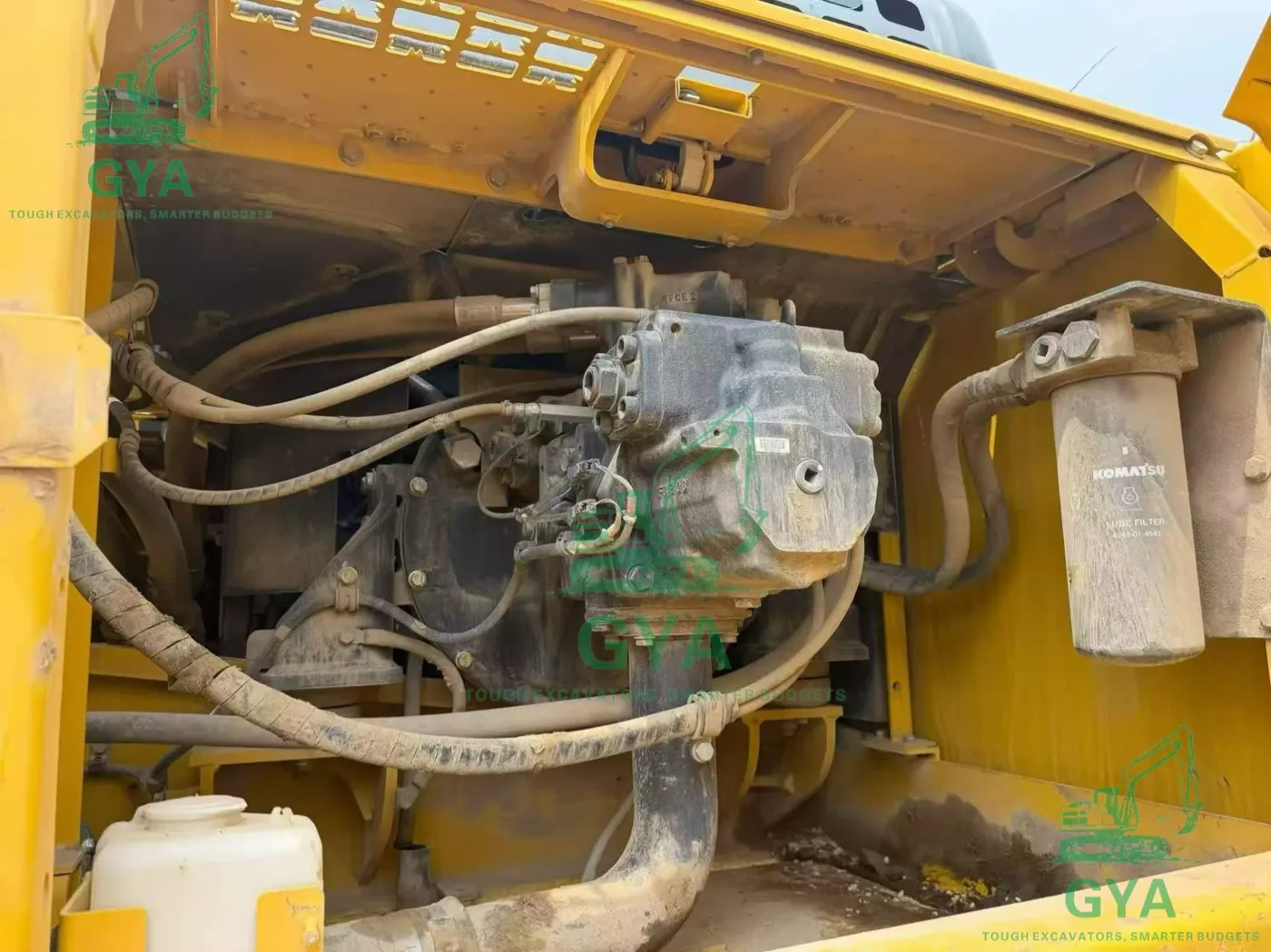
The used Komatsu PC300-7 excavator at a glance
The PC300-7 is a 30–40 t class crawler excavator, described in the catalogue as a 30-ton class machine. Reference figures put operating weight at around 31,200 kg and the common bucket at about 1.4 m³. The engine is a mechanical direct-injection generation; the exact engine plate still has to be confirmed on the unit.
That mechanical specification matters in markets where electronic diagnostics are limited. It can also matter to buyers who prefer a simpler fuel and service path. For a used Komatsu 30–40 t class excavator, that simplicity is worth checking against the local workshop, not assumed. It does not, by itself, make one machine better than another. Condition and configuration still decide.
Why a 2,000 USD band is not a fixed price
The spread from 44,000 to 46,000 USD is only 2,000 USD. A narrow band can look precise, but it is still a model-level range. It does not include undercarriage life, hydraulic condition, attachment package, transport or destination costs.
Read the band as an anchor. A unit near the top should justify the position with evidence. A unit near the bottom may be fair value or may carry a known repair. The number alone does not tell you which.
What sits inside 44,000–46,000 USD
The reference is for the machine at the export point, not at your yard. A sound undercarriage, a dry hydraulic system, a straight structure and a complete attachment package support the upper part of the band. Missing records, a worn track group or an unexplained leak support the lower part.
Do not confuse the band with a repair-inclusive price. If a unit needs a new track group, the local quote belongs beside the sticker, not outside the comparison.
The catalogue's odd price ladder
The catalogue lists the PC350-7 at 38,000–40,000 USD and the PC350-8 at 40,000–44,000 USD, both at or below the lower edge of the PC300-7 band. The PC360-7 is listed at 50,000–62,000 USD, and the PC400-8 at 67,000–69,000 USD. The file does not explain why the PC300-7 sits above the PC350-7 band, and this article will not invent a reason.
The lesson is simple: do not read model numbers as a price ladder. Bands reflect model listings, not a ranked specification table. Compare the actual machines and their evidence.
PC300-8 has no listed price
The catalogue includes the PC300-8 but publishes no price band for it. That is not an invitation to estimate. If you are offered a PC300-8, ask for a written quote and treat it as a separate model with its own configuration.
The same discipline applies to any variant with a missing band. No number is better than an invented one, especially when you are about to wire a deposit.
PC300-7 price: what moves a unit within the band
Six things move a real PC300-7 price: undercarriage wear, hydraulic performance, structural condition, attachment package, documentation and transport configuration. Each can be inspected or quoted. None can be judged from a listing photo.
Ask for measurements, not adjectives. Track and roller wear can be measured. Hydraulic drift can be demonstrated. Cracks can be photographed. A seller who answers with 'good condition' has told you nothing you can price.
How a used Komatsu PC300-7 excavator inspection protects the number
Inspection protects you in two ways. It can reveal a repair that costs more than the discount, and it can confirm that a higher-priced unit is genuinely better. Both outcomes are useful. A cheap machine with a hidden track bill is not cheap, and an expensive machine with no evidence is not premium.
Start with identity, then cold start, hydraulic cycle, undercarriage, structure and documents. On a 31-ton machine, transport height and lifting arrangements are part of the inspection too. A unit that cannot be loaded safely at your port is a problem regardless of its price.
Condition drivers in plain terms
Undercarriage: pins, bushes, links, rollers, idler and sprocket. Hydraulics: pump noise, cycle speed, drift and leaks. Structure: boom, arm, turntable and counterweight. Engine: cold start, smoke, blow-by and leaks. Attachments: breaker circuit, coupler and bucket. Documents: plate, invoice and service records.
Rank them by the cost of repair in your market, not by how easy they are to photograph. That ranking is the real bridge between the catalogue band and the unit price.
When two units look equal on paper, break the tie with the evidence that is hardest to fake: a cold start, a loaded hydraulic cycle and measured undercarriage. Paint, decals and a cleaned engine bay are easy. A straight structure and a dry pump are not. Ask for the same evidence set for both machines and score them side by side. The unit with the clearer file is usually the cheaper machine over the first year of work.
Negotiating without inventing a number
A discount is not a method. Ask for a written quote for each defect from a workshop you trust, then compare the total with the asking price. If the seller has already done the work, ask for the invoice. If the work is still needed, the quote belongs in your calculation.
Do not use a percentage pulled from a forum. Local labour, parts and transport set the real cost, and those vary by country. A negotiation built on local quotes is easier to defend and easier to verify.
Transport planning for a 31-ton machine
A reference weight of around 31,200 kg puts the PC300-7 outside casual container assumptions. Ask for the transport height with the boom folded, the track shoe width and the counterweight fitted to the unit. The catalogue says to confirm the actual measurement before booking, and that instruction matters more than any generic trailer rating.
Give the forwarder the measured unit, not the model name. Ask whether the destination port can lift and move the machine, and whether the route to your yard accepts the loaded dimensions. A freight rate that ignores those questions is only a deposit on a problem.
Mechanical injection: service reality
A mechanical direct-injection engine can be easier to service where electronic diagnostics are scarce. That is an advantage only if the local workshop has the right parts and experience. Ask before you buy. A simple engine with no support network is still a stranded machine.
Confirm the engine plate and the filter specification. The catalogue reference is a starting point; the plate is the fact.
What the band excludes at the destination
The band does not include freight, insurance, duty, VAT, clearing or inland delivery. Those lines can change the ranking of two offers. A unit at the top of the band with a short inland leg may land for less than a cheaper unit shipped to a difficult port.
Build a landed comparison sheet before you choose. Put the FOB price, the freight quote, the insurance, the duty estimate from a broker and the inland transport in separate rows. Then compare the totals. The band is one row, not the answer.
FOB, CIF and the landed number
The 44,000–46,000 USD band is not a landed cost. FOB takes the machine to the port. CIF adds ocean freight and insurance. Import duty, VAT, clearing, port charges and inland transport sit outside both. Ask for FOB and CIF quotes against the actual unit and destination, then build the local costs with a broker.
We are an independent exporter, not a dealer, and we do not own the yards where machines are held. FOB and CIF can both be quoted, inspection can be arranged, and the export documents are prepared for the shipment. Independence does not remove risk; documents and inspection are how the risk is managed.
Red flags in a cheap offer
Be cautious when the price is far below the band and the seller cannot explain why. Common explanations include a tired undercarriage, a hydraulic fault, a repaired structure or missing documents. Some are legitimate reasons for a discount; others are hidden costs.
Also be cautious when the seller refuses a plate-to-meter video, a cold start or a written proforma invoice. A legitimate discount does not require secrecy.
Documents and payment sequence
Request a proforma invoice that names the model, serial, price, Incoterm and destination. Confirm the inspection scope before the balance payment. After payment, check the commercial invoice, packing list, bill of lading and certificate of origin against the machine you inspected.
Match the serial number at every step. A document set that does not match the plate is a delay at best and a dispute at worst.
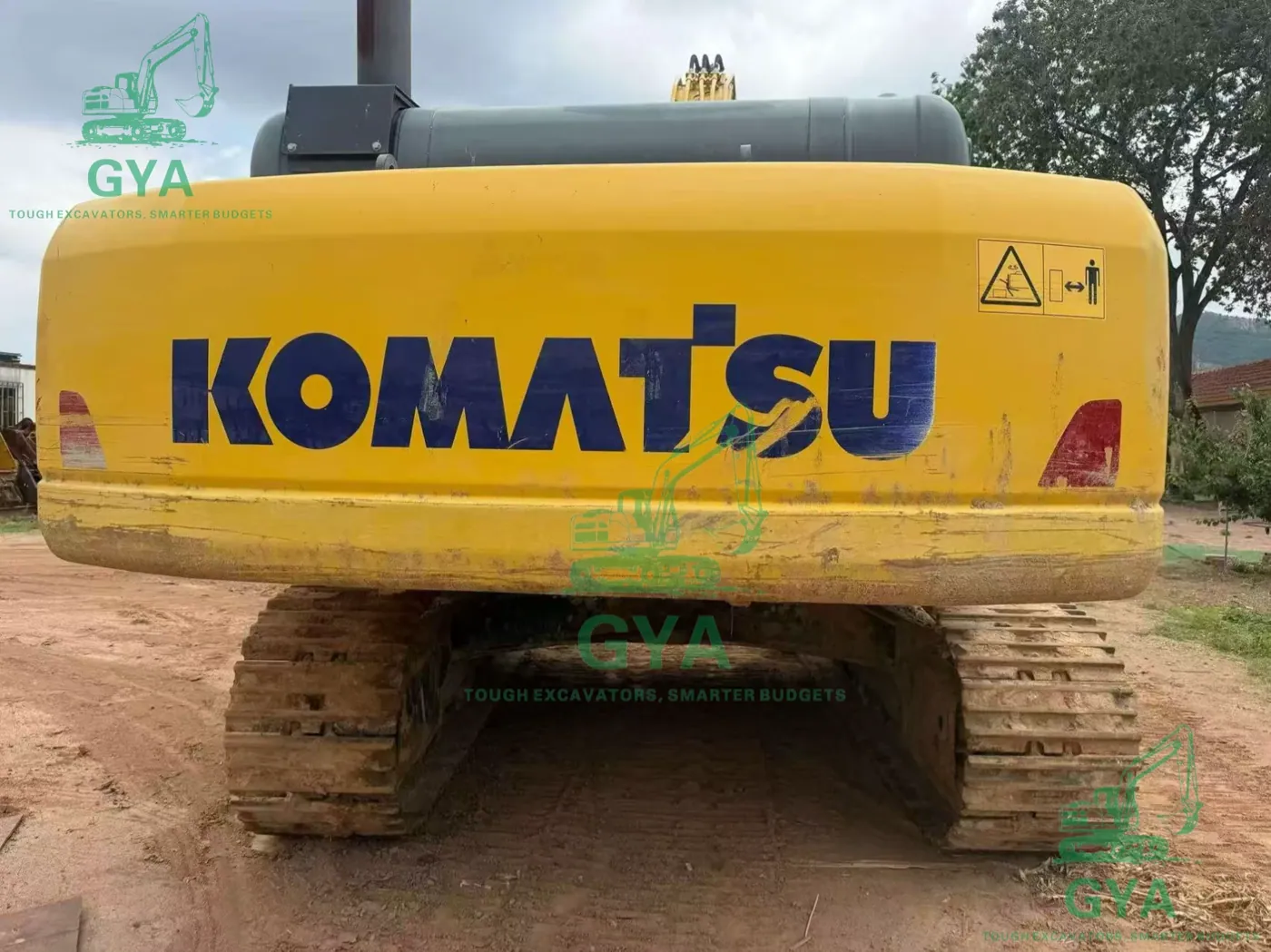
FAQ: PC300-7 price and inspection
Is 44,000–46,000 USD the price of a used Komatsu PC300-7 excavator?
No. It is a model-level band. The actual price depends on the unit, its condition and the destination.
Why is the PC300-7 band higher than the PC350-7 band?
The catalogue does not explain it. The bands are model references, not a ranked price ladder, so compare the actual machines.
Does the PC300-8 have a listed price?
No. The catalogue includes the model but publishes no band for it. Ask for a written quote instead of estimating.
What should a PC300-7 inspection cover?
Identity, cold start, hydraulic cycle, undercarriage, structure, attachments and documents. Add transport dimensions before booking.
Can you arrange inspection and CIF?
Yes. Inspection can be arranged before the balance payment, and CIF can be quoted against the destination port and the actual unit.
See the used Komatsu PC300-7 excavator model page or the PC300-7 for-sale page for the listing and enquiry details.
Price is a band; condition is the number.
Komatsu buyer guides
Price bands, inspection and transport for the models buyers ask about.