Used Komatsu PC200-10M0 Excavator: Which Generation to Buy
A used Komatsu PC200-10M0 excavator belongs to the 20–30 t class, the size that anchors most mixed fleets. This catalogue lists the class but leaves the price field empty: no band is published for the PC200-10M0. That absence is information, not a gap to fill with a guess. Instead of anchoring on a range, you compare the machine against older generations on evidence, parts support and lifetime cost. This guide explains what the M0 code does and does not tell you, how to inspect the unit, and how to choose between a -10M0 and a -8.
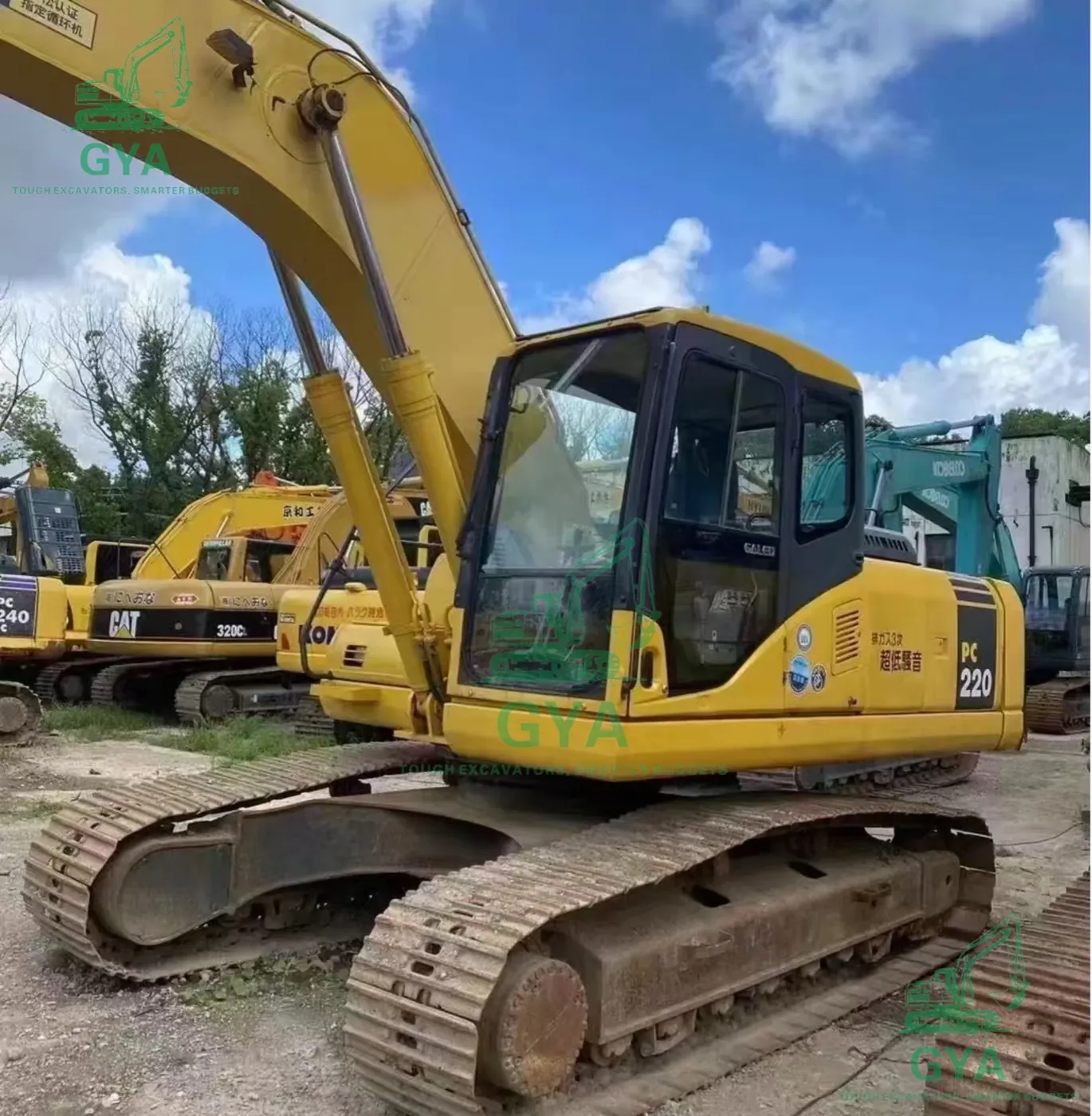
Why the price field is empty
Some listings publish a band for every model whether or not they have the transactions to support it. This catalogue does not. For the PC200-10M0 the field is blank, and the honest reading is that no verified model-level range exists here. That is more useful than a number invented to fill the space.
It also means you cannot use a published band to test a seller's asking price. You have to build your own range from comparable offers and adjust for condition, attachment and destination. The rest of this guide is about doing that without borrowing a figure from a different market.
Used Komatsu PC200-10M0 excavator vs the PC200-8
Most buyers arrive at the -10M0 after looking at a PC200-8, because the -8 is the machine they have seen on sites or run themselves. The comparison is fair, but it has to be made on the right axes: emission hardware, electronic control and monitoring, hydraulic control, cab, parts availability and resale.
The dash number describes a design generation. It does not tell you the year of manufacture, the hours, the market the machine was built for, or how it has been maintained. A late-built -8 and an early -10M0 can be closer in condition than their badges suggest, and a hard-worked newer unit can be the worse purchase.
Ask which market the machine was originally sold into. That single question explains a lot about the emission package, the monitor language and whether your local parts counter can support it. If the seller cannot answer, treat the generation claim as unverified.
What "M0" tells you, and what it does not
M0 is a build and market designation carried in the model code. It is not a condition grade, and it does not by itself prove where the machine worked or how it was serviced. Two units with the same code can have very different histories.
Verify the code against the serial plate and, if possible, against a parts counter that can look up the serial. Confirm the original market, whether the monitor and manuals match your language and units, and whether software or diagnostic support for that build is available where you operate. Those checks cost little and prevent a machine that runs perfectly but cannot be serviced locally.
PC200-10M0 price: build a range from evidence
Collect at least three comparable offers for the same class and configuration, then adjust each one for the same items: undercarriage condition, pin and bush wear, attachment, hydraulic evidence, hours documentation and freight to your port. Put the adjusted numbers in one column and see where they cluster. That cluster is your working range, and it is worth more than any single asking price.
Then convert to landed cost. Add ocean freight, insurance, duty, VAT, clearing and inland delivery, plus a repair reserve for the defects the inspection finds. A unit that looks mid-range FOB can be the most expensive option once the reserve is included. Because there is no catalogue band for this model, this arithmetic is the only defence against a confident number.
PC200-10M0 inspection: electronics before iron
On a machine of this generation, the electronic side can be the difference between a straightforward purchase and a long search for a specialist. Check it before you fall in love with the undercarriage.
1. Serial, software and build
Ask for the serial plate, the model code and a photo of the monitor at start-up. If a telematics subscription is active, request a history export. Confirm the build matches the market the seller claims.
2. Fault codes and monitor behaviour
Ask for a video that shows the monitor through a full start and warm-up, with any active or stored codes visible. A cleared code is not a repaired fault; ask what was done and for the invoice.
3. Cold start
Watch the start from cold, not after the machine has been idling for the camera. Listen for a misfire, watch the exhaust and confirm the machine settles into a steady idle.
4. Hydraulic cycle
Request a full cycle through boom, arm, bucket, swing and travel. Then ask for pressure readings taken against the workshop specification, because a smooth video does not prove the pumps are healthy.
5. Undercarriage and pins
Ask for measurements or clear close-ups of shoes, links, rollers, idlers and sprockets, plus the bucket, arm and boom pins. On this class the undercarriage is a major wear cost and a common reason for a low asking price.
6. Structure and leaks
Check the boom, arm, turret and counterweight for cracks or fresh paint over welds, and inspect the ground under the machine after it has run. Oil and coolant leaks are easier to see on a clean floor than in a photo.
7. Hours against wear
Compare the meter with the pedals, seat, joysticks, pins and tracks. If the wear does not match the reading, ask for service records and a meter history. "Low hours" is a claim until the evidence supports it.
A newer dash is not a newer machine
Generation badges are often read as age, and sellers know it. Check the plate, the engine serial and the service file together. A machine may have had an engine, pump or ECU replaced, and that is acceptable only when the change is documented and the replacement is compatible with the rest of the build.
A refurbished unit can be a good buy, but it should be priced as a refurbished unit with a known scope, not as an untouched low-hour machine. Ask what was replaced, by whom, and whether the work is covered by any warranty that can travel with the machine.
The 20–30 t class in real work
This is the general-purpose size: earthworks, trenching, road work, site preparation and truck loading. It is large enough for production and small enough to move without the heavy-lift plan of a mining machine. A used Komatsu 20-30t excavator is therefore easy to justify, and equally easy to overpay for if the individual unit is tired.
Check the transport width and weight with the boom folded before you assume a standard trailer or container. Confirm the bucket suits your material and your trucks. The class is common, which helps with operators and parts, but it does not make every unit a good one.
Parts, software and dealer access
Before you commit, price the high-wear items for this build: filters, pins and bushes, track components, hoses and the parts most likely to fail in the first year. Ask about lead times, not just prices. A machine that is cheap to buy but waits weeks for a pump is expensive in production terms.
Confirm who can diagnose the electronics locally, and whether they can read the machine's codes and calibrations. If the model was never sold in your market, dealer support may be thin and aftermarket coverage uneven. That risk belongs in the price, not in a surprise after delivery.
Matching the version to the work
Choose the version your work and your support network can keep running. If your fleet is standardised on the -8, adding a single -10M0 may cost more in training, filters and diagnostic tools than it returns. If you are building a fleet for the next decade, the newer generation may justify that overhead.
Attachment and coupler compatibility matter as much as the dash number. A machine that cannot share buckets with the rest of your fleet is a machine with a hidden operating cost. Test that against the actual work, not the brochure.
Documents and the export file
The export file should include the commercial invoice, packing list, bill of lading and certificate of origin, with the model and serial matching the machine. If you are buying remotely, ask for an inspection report that covers identity, running condition, fault codes, undercarriage and leaks, and confirm who produced it.
We are an independent exporter: we arrange inspection at the seller's location and handle the documents, and we do not own yards or act as a dealer. That matters when you need to know who stands behind a condition statement.
FAQ: used Komatsu PC200-10M0 excavator
Is there a price for the PC200-10M0?
No. This catalogue does not list a band for the model. A price has to come from a specific unit and destination.
What class is the PC200-10M0?
This catalogue lists it in the 20–30 t class.
Is the -10M0 better than a PC200-8?
Not automatically. The newer generation may suit a long-term fleet, but condition, parts support and local service decide more than the badge.
Can it ship in a container?
It depends on the dimensions with the boom folded and the actual configuration. Ask a forwarder to quote against the unit.
Do you own the machines?
No. We work as an independent exporter and inspect at the seller's location. There is no yard of our own to visit.
Do you quote FOB or CIF?
Either. Give us the destination port and the unit, and we will price the shipment on that basis.
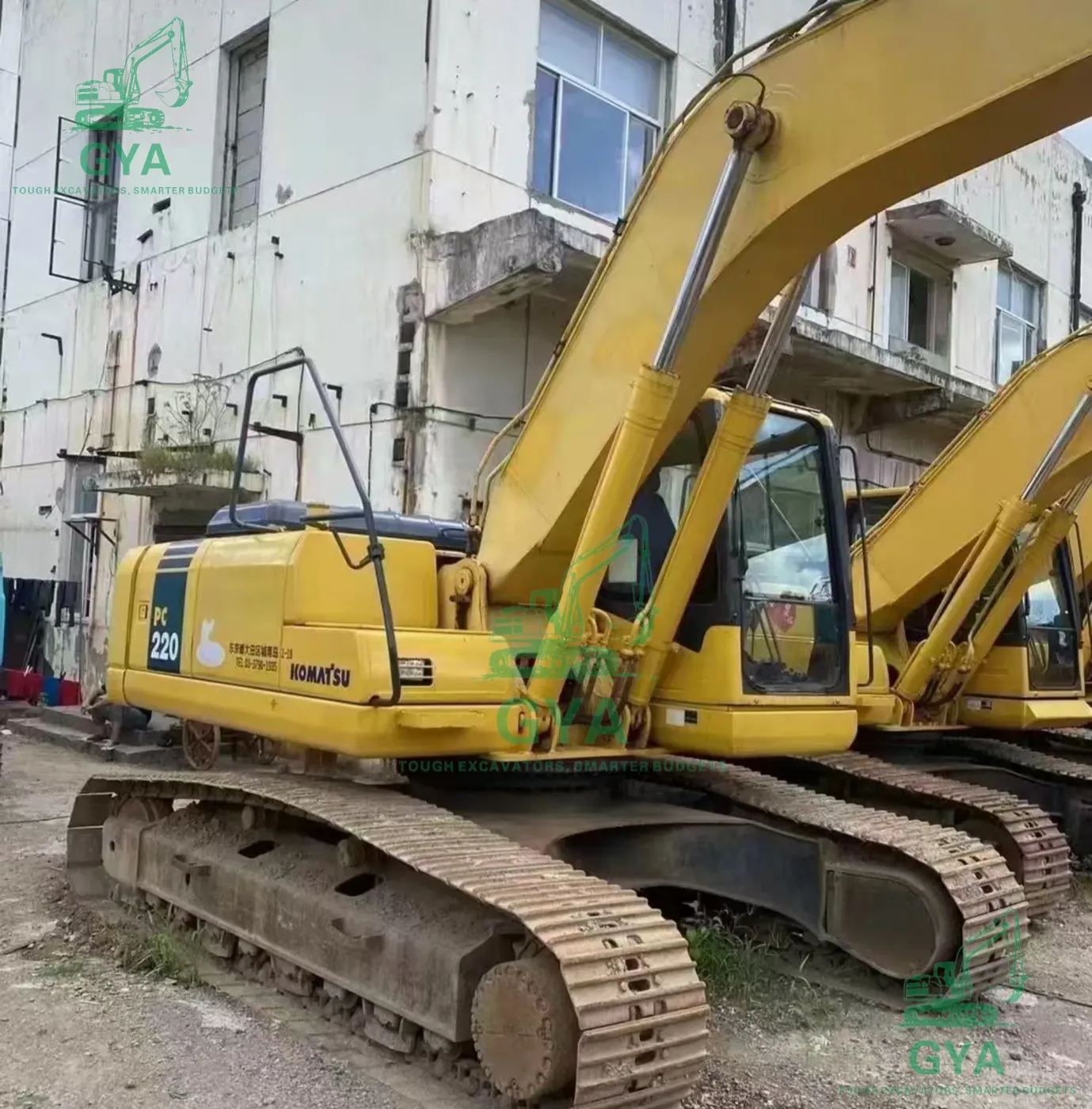
Next step: compare like for like
Tell us the model, where the machine needs to go and the job it will do. We will come back with the condition evidence and a quotation written against that unit, FOB or CIF as you prefer, so it can sit beside the -8 offers you already have.
Start with the Komatsu PC200-10M0 model page, or go to the used Komatsu PC200-10M0 excavator for sale listing. For freight and documents, contact the export desk with your destination.
Komatsu buyer guides
Price bands, inspection and transport for the models buyers ask about.