Used Komatsu PC200-10 Excavator: Choosing the Right Version
When a buyer asks about a used Komatsu PC200-10 excavator, the first question is rarely about paint or hours. It is about which version is actually being offered. This catalogue entry publishes no price at all. The figure is not listed, the body copy is blank, and the gallery is a shared 20–30 t image set. The one fact the entry does fix is the class. Everything else has to come from the machine, its plate and a current video. That is the difference between reading a listing and buying a machine.
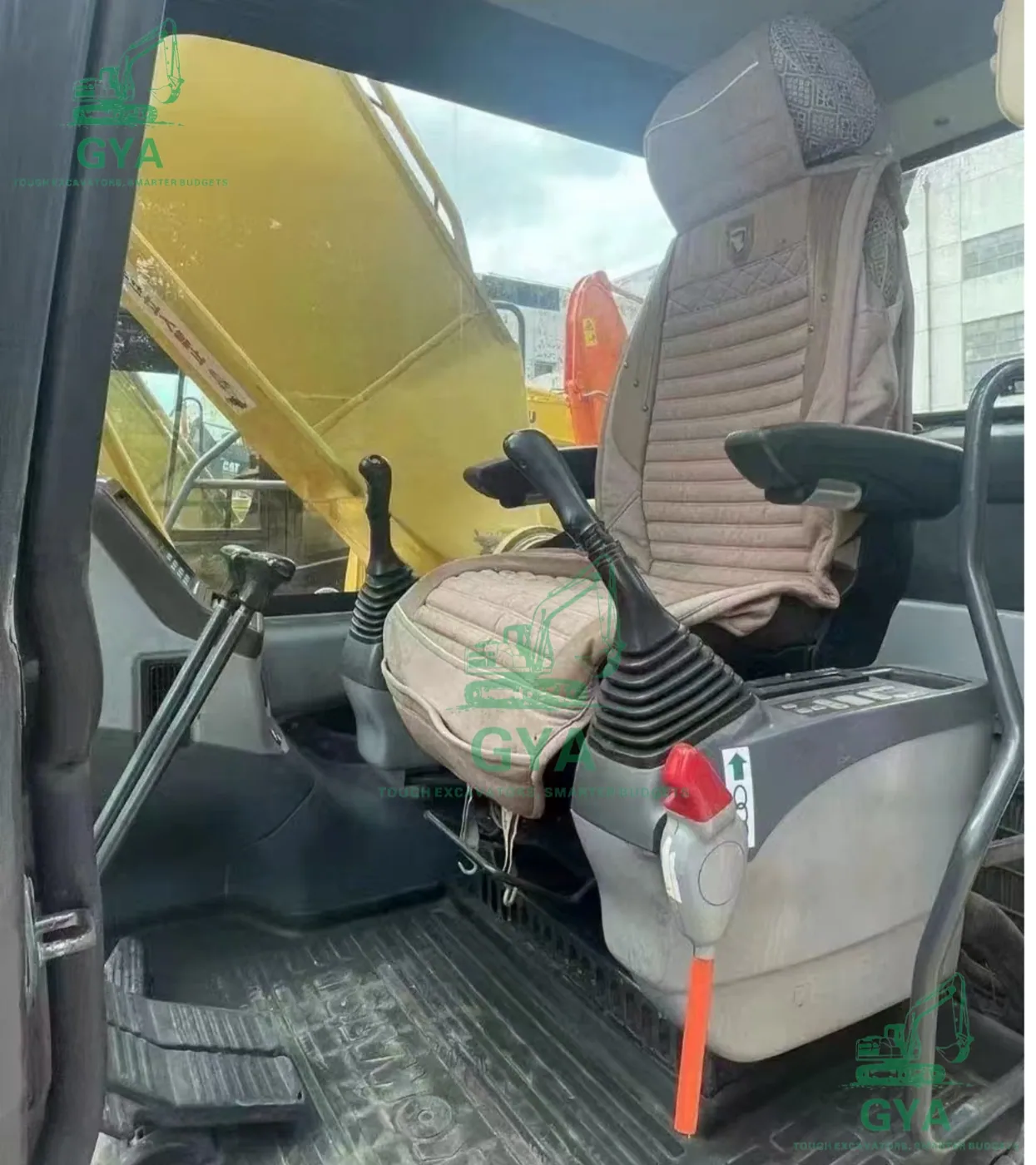
This guide is for buyers who have already settled on the 20–30 t band and now have to choose between version strings, between a repainted unit and an original one, and between two sellers who both insist the machine is ready. None of those choices can be settled by a headline number, because for this model there is no headline number to argue about.
What this catalogue entry publishes, and what it leaves open
Three fields matter. The class is 20–30 t. The price field is empty and the body field is blank, so there is no model-level band to quote and no reference specification to repeat. The gallery is a shared image set rather than a set of photographs tied to one serial number.
That leaves the useful questions open: year, hours, operating weight, bucket, track shoe width, engine version, emission configuration and transport dimensions. A careful seller sends those from the plate and the machine. A careless listing fills them from a brochure for a different version, which is how buyers end up comparing two machines that were never the same.
Treat an empty field as information. It tells you the catalogue owner has not verified a number, and it tells you where the burden of proof sits. Ask, in writing, for the six facts that change a quote: year, hours, undercarriage state, attachments, engine version and loading dimensions.
Why no used Komatsu PC200-10 excavator price appears here
There is no price to publish for this entry. The field is not hidden and it is not a placeholder waiting for a decimal point; it is blank. Any figure you see attached to a PC200-10 elsewhere is either a quote for a specific unit or an estimate that somebody chose to publish without saying what it covers.
Borrowing a neighbour's band is the most common mistake in this class. The 20–30 t group on this site contains entries at 20,000–22,500 USD, 23,000–26,000 USD, 24,000–27,000 USD and 25,000–28,000 USD. Each range belongs to the model printed beside it. None transfers to the PC200-10 by default, and a PC200-10 quoted at any of those levels still has to justify itself with year, hours, undercarriage and configuration.
If you need a number, ask for a written offer that names the unit, the year, the hour reading, the attachments, the Incoterm and the destination port. A figure without those six items is a rumour with a currency symbol in front of it. Ask what a PC200-10 price is actually based on, and the honest answer will be a unit or a guess.
Two version strings, one machine plate
The catalogue carries the PC200-10 and the PC200-10M0 as separate entries. That is a naming distinction, not proof of two different machines on the ground, and this page will not pretend to resolve it from a distance. Market naming, local assembly and paperwork conventions all change what appears on a listing.
The plate resolves it. Ask for one continuous video that begins on the stamped model and serial plate, moves to the engine plate, then to the hour meter, then walks around the machine. A photograph of a sticker proves nothing; a stamped plate in the same frame as the machine is evidence.
Write the model string down exactly as it is stamped, then compare it with the proforma invoice and the shipping documents before the balance payment. If the paperwork says one string and the plate says another, stop and ask why. That mismatch is cheaper to fix before loading than after arrival.
Generation talk is cheap; configuration is not
Buyers often arrive with a mental ladder: older is cheaper, newer is better. The ladder is not wrong, but it is not a decision tool. Two units of the same version can differ more than two units of adjacent versions, because the expensive items are wear parts and attachments, not the badge on the boom.
Ask what changed on this specific machine. Has the undercarriage been renewed, is the bucket original, is a quick coupler fitted, has the pump been replaced, is the cab original, and are there invoices for any of it. Then ask what the machine will cost to keep working in your yard, with your mechanics, on your fuel. A version that local mechanics can diagnose without a laptop can be the cheaper machine even when the sticker is higher.
Emission rules and the question nobody asks early enough
This entry states no emission standard, so this article will not invent one. What you can do is ask the seller which standard the unit was built to, then match that answer against your import rules before you pay a deposit. The same model string can be sold into markets with different requirements, and the cost of discovering the mismatch at the port is not small.
Put the question in writing with the destination country and port. A seller who cannot answer it should not be quoting the machine. If your market restricts older engines, ask early whether a compliant unit exists at all, because no amount of inspection fixes a customs problem.
PC200-10 inspection: eight points that survive a video call
An inspection is a sequence, not a feeling. Run it in this order and stop when an item fails badly.
Plate and identity. Stamped model, serial, engine number, and the same machine shown in the working video.
Cold start. The engine should be cold when filming begins. Watch smoke colour at start, listen for a knock, and check that idle settles without hunting.
Monitor and warning lights. Ask the operator to show the display at key-on and during work. Dead segments, taped-over lamps and recently cleared faults all deserve a question.
Hydraulic cycle. Boom, arm, bucket, swing and travel, then a combined movement. Watch for hesitation, drift and unusual noise.
Undercarriage. Shoes, links, rollers, idlers, sprockets and track adjusters, with close-ups and measurements wherever the seller can take them.
Pins and bushes. Bucket, arm and boom play, plus the coupler if one is fitted.
Structure. Boom foot, arm welds, turret and counterweight, looking for cracks or fresh paint over repairs.
Leaks and records. Oil and coolant weeps, hose condition, and the service file if one exists.
Record every point as pass, repairable or reject. A version argument collapses fast when the undercarriage is finished.
Parts, mechanics and the version you can keep running
The best version is the one your market can support. Before falling for a low-hour unit, check whether filters, hoses, pins and electronic parts for that exact version are available locally, and whether your mechanic has worked on one. In markets where diagnostic support is thin, a simpler machine with a known history often earns more than a newer one that needs a dealer laptop for every fault.
That is also the honest answer to the generation question. Newer is not a promise; it is a bundle of trade-offs about electronics, emissions, fuel and repair. Write those trade-offs down for your own site, with the people who will maintain the machine, before comparing listings.
The used Komatsu PC200-10 excavator in a mixed 20–30 t fleet
This class is the generalist of earthmoving: site preparation, trenching, road work, truck loading and cleaning up around larger machines. It is heavy enough to produce and light enough to move without a special transport plan in most regions. That is why the class is crowded, and why the individual machine matters more than the model string.
The same logic applies to any used Komatsu 20–30 t excavator: the class sets the fixed costs, the unit sets the variable ones. If your work is light and scattered, a smaller class may cost less to move and still finish the job. If your work is quarry loading, a 30–40 t machine will outperform this class and should be priced as such. Choose the class from the job, then choose the version inside the class from evidence. Doing it the other way round is how buyers end up with a machine that is always slightly wrong for the site.
FOB, CIF and the documents that must match
We are an independent used machinery exporter, not a Komatsu dealer, and we do not present a yard we do not own. Machines are sourced and checked against your checklist, and we can quote FOB or CIF for the real unit and destination. The Incoterm changes who pays for the ocean leg and insurance; it does not change the machine, so the inspection should be identical either way.
Before the balance payment, arrange the inspection or accept a third-party report. After payment, the export file should carry the commercial invoice, the packing list, the bill of lading and the certificate of origin, with model and serial matching the plate. Ask for copies before the container or flat rack is sealed.
FAQ: version choice on the PC200-10
Is a used Komatsu PC200-10 excavator price listed on this site?
No. The price is not listed for this entry; the field is empty. We quote against a specific unit, with year, hours, configuration and destination.
Should I buy the PC200-10 or the PC200-10M0?
Whichever the plate says and your market can register and service. Confirm the stamped string before the invoice is issued.
What does a PC200-10 inspection cover first?
Identity, cold start, monitor warnings, hydraulic cycle and undercarriage. Those five decide most of the value.
Do you own the machines you list?
No. We are an independent exporter and claim neither owned yards nor dealer status.
Can you quote CIF instead of FOB?
Yes, for the actual unit and destination port. Send both before we quote.
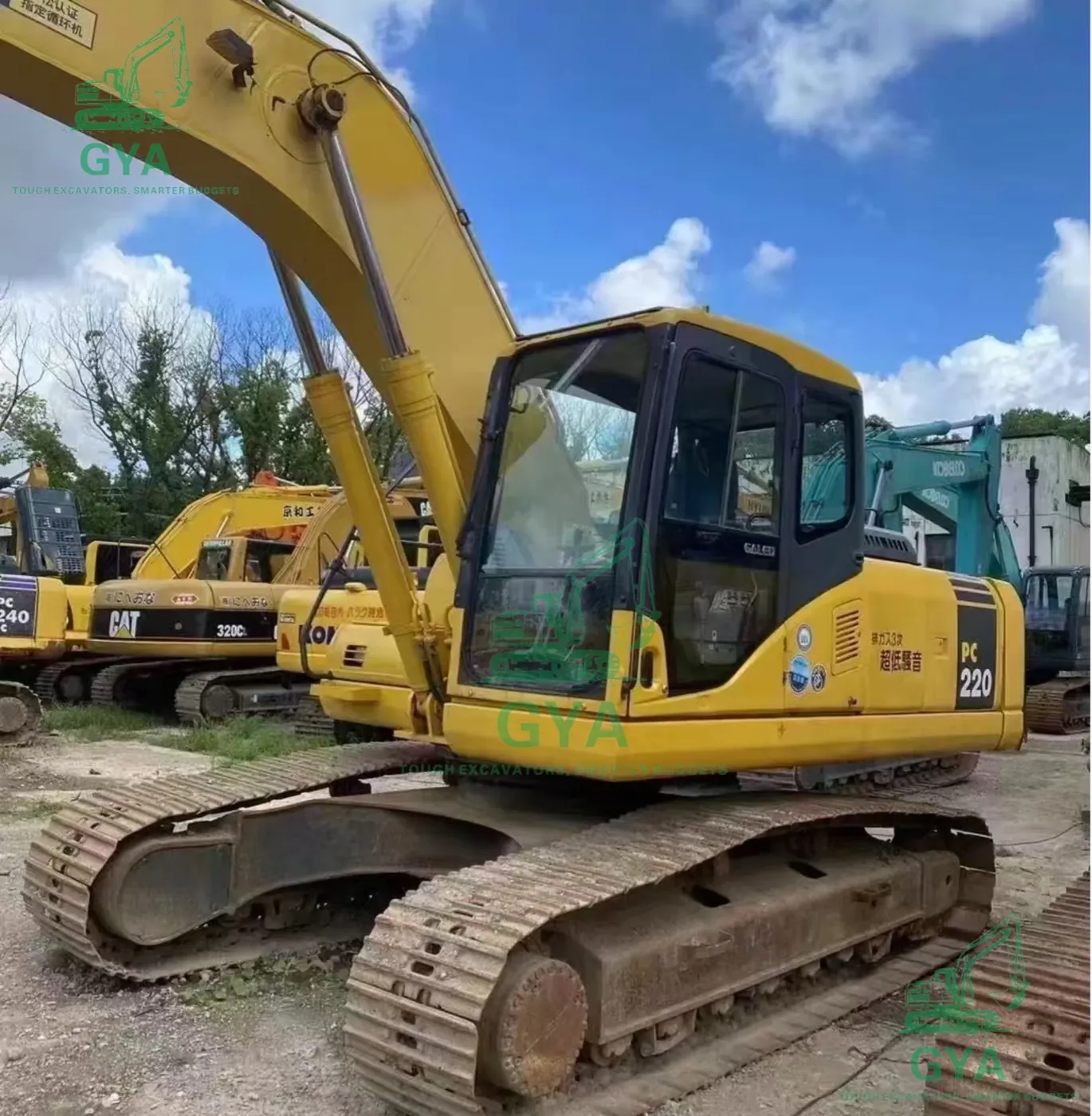
Compare the class on the used Komatsu PC200-10 excavator model page, or read the PC200-8 price and inspection guide for the neighbouring version. If you are still sizing the machine rather than the version, the PC200-8 model page shows how the same class is presented elsewhere in the catalogue.
Komatsu buyer guides
Price bands, inspection and transport for the models buyers ask about.