Used Komatsu PC130-8 Excavator: Generation Choice and Real Cost
A used Komatsu PC130-8 excavator sits in the 13-ton class, and this site lists the model at 22,000–24,000 USD. The more interesting number is beside it: the PC130-7 is listed at 20,000–22,000 USD. That is a 2,000 USD step at both ends of the band. This guide is about whether the step buys a better working machine or only a newer badge, and how to inspect a PC130-8 before money moves.
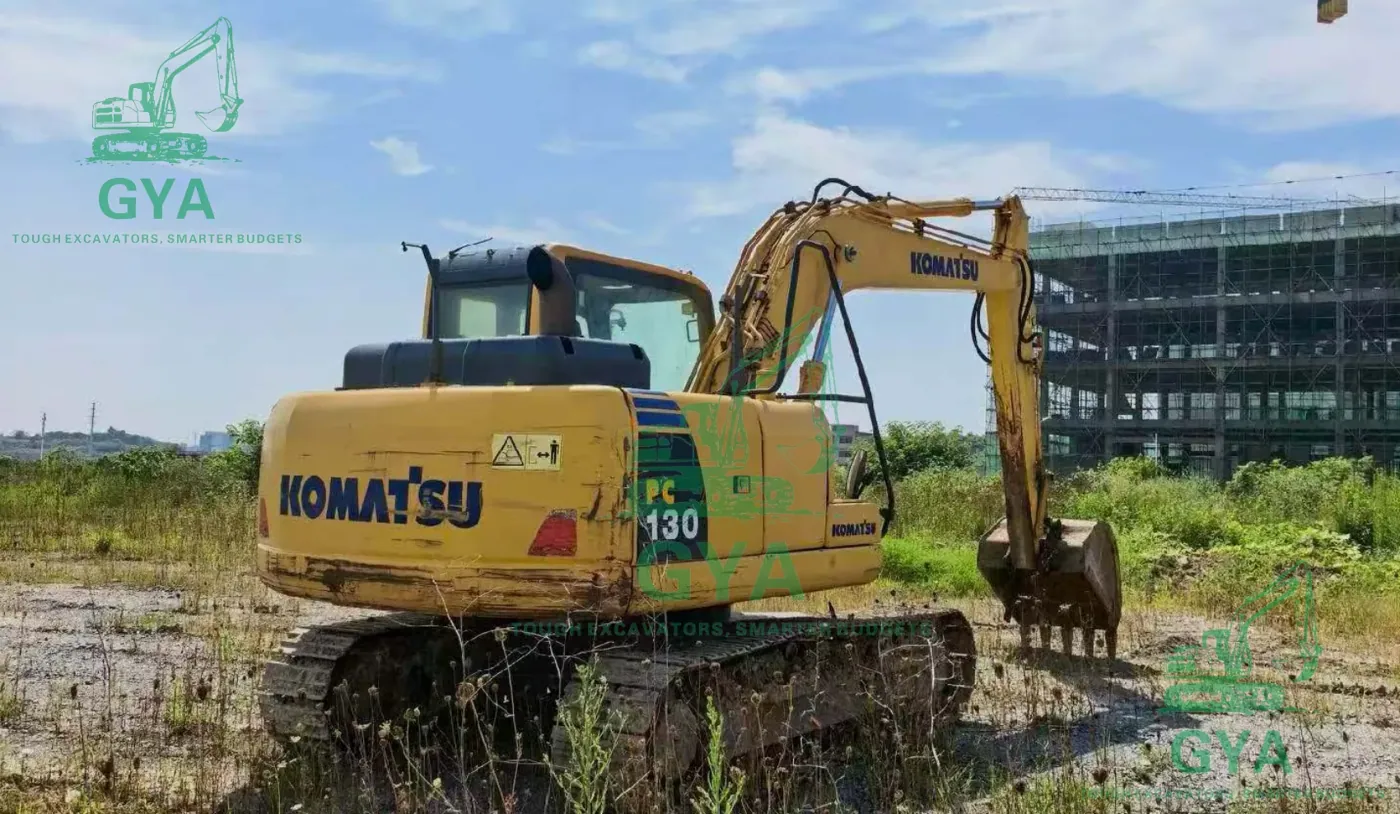
What the used Komatsu PC130-8 excavator band includes
The 22,000–24,000 USD figure is a model band, not a quotation for the machine in the photos. It is the level at which PC130-8 units are listed before condition, attachment, paint, undercarriage and destination are priced in. A PC130-8 price inside this range still has to be earned by the unit. A unit with original paint, tight pins and a documented service file can sit at the top of the band. A repainted unit with a tired undercarriage can sit at the bottom, and still be the more expensive machine once repairs are counted.
Treat the band as a filter, not a valuation. It tells you whether an asking price belongs in the same conversation as other PC130-8s. It does not tell you whether the engine is healthy, whether the hydraulic pump is original, or whether the hour meter reflects the wear on the pedals and seat. Those answers come from evidence, and they move the real price more than the band does.
The 2,000 USD step over the PC130-7
At the bottom, 20,000 to 22,000 USD is exactly 2,000 USD, or 10 percent of the lower figure. At the top, 22,000 to 24,000 USD is the same 2,000 USD. The step is consistent, which makes the decision unusually clean: you are not choosing between a cheap -7 and a wildly expensive -8. You are choosing whether a defined premium is justified by the specific units in front of you.
On a 13-ton machine, 2,000 USD is a meaningful but not decisive sum. A single major repair can absorb it, which is why the premium has to be judged against the inspection rather than the badge. We do not publish repair prices because parts availability, labour and workshop rates vary by market. The point is proportional: a 2,000 USD premium can disappear in one unexpected failure, and a 2,000 USD saving can disappear in the same way. Generation alone does not settle it.
What the -8 generation actually changes
The model notes on this site describe the PC130-8 as an electronic common-rail generation machine and the PC130-7 as the simpler, lower-cost alternative. In practical terms, the -8 is the version that buyers ask for when they want smoother hydraulic control, a more current cab, better rental presentation and a machine that looks and feels newer to their own customers.
Published reference figures for the PC130-8 are an operating weight of around 12,380–13,060 kg and a bucket of around 0.53 m³. Those are configuration-dependent; a different bucket, a blade, a quick coupler or heavy track shoes will move the weight. Confirm the actual unit rather than treating the reference as a specification guarantee. The site lists it in the 10–20 t class and the model data calls it a 13-ton machine.
The -8 generation also raises the support requirement. Electronic common-rail systems are less forgiving of poor diesel and unskilled diagnosis than a simpler mechanical machine. Before choosing the newer version, check what your local mechanics can read, what fuel filtration is normal in your market, and whether diagnostic tools and sensors are available. A newer machine with no local support can cost more downtime than an older one that any workshop can repair.
Where the PC130-8 earns its keep
This is a machine for municipal work, road maintenance, drainage, rental fleets and medium-term construction where the buyer needs more reach and production than a mini but does not want the transport and fuel burden of a 20-ton unit. It can trench, load small trucks, clear sites and handle mixed duties without being specialised into one task.
Its size is the argument. A used Komatsu 13-ton excavator is easier to move between scattered sites than a 16- or 20-ton unit, and it fits work where a larger excavator is simply too much machine to position or transport economically. For a contractor whose jobs are spread out, that flexibility can matter more than the extra output of a bigger class.
The -8 is also the easier machine to present to a rental customer or a resale buyer who expects a current-looking cab and smooth controls. That presentation value is real, but it is not mechanical condition. Fresh paint and a clean cab do not prove a healthy pump, and they should never replace a working video.
When the PC130-7 is the smarter buy
Choose the -7 when the market is price-sensitive, the diesel is inconsistent, the repair network is basic, or the machine will be resold quickly to buyers who care about the entry price. The -7 is listed 2,000 USD lower at both ends, and its simpler systems are easier to explain and easier to keep running where electronics support is thin.
Do not assume the -7 is mechanically worse. A well-kept PC130-7 with a strong undercarriage, dry pins and a clean hydraulic system can be a better working tool than a neglected PC130-8. Generation describes the design, not the life the machine has lived. The inspection decides which unit is the better purchase, and the price should follow the inspection.
Inspecting a used Komatsu PC130-8 excavator
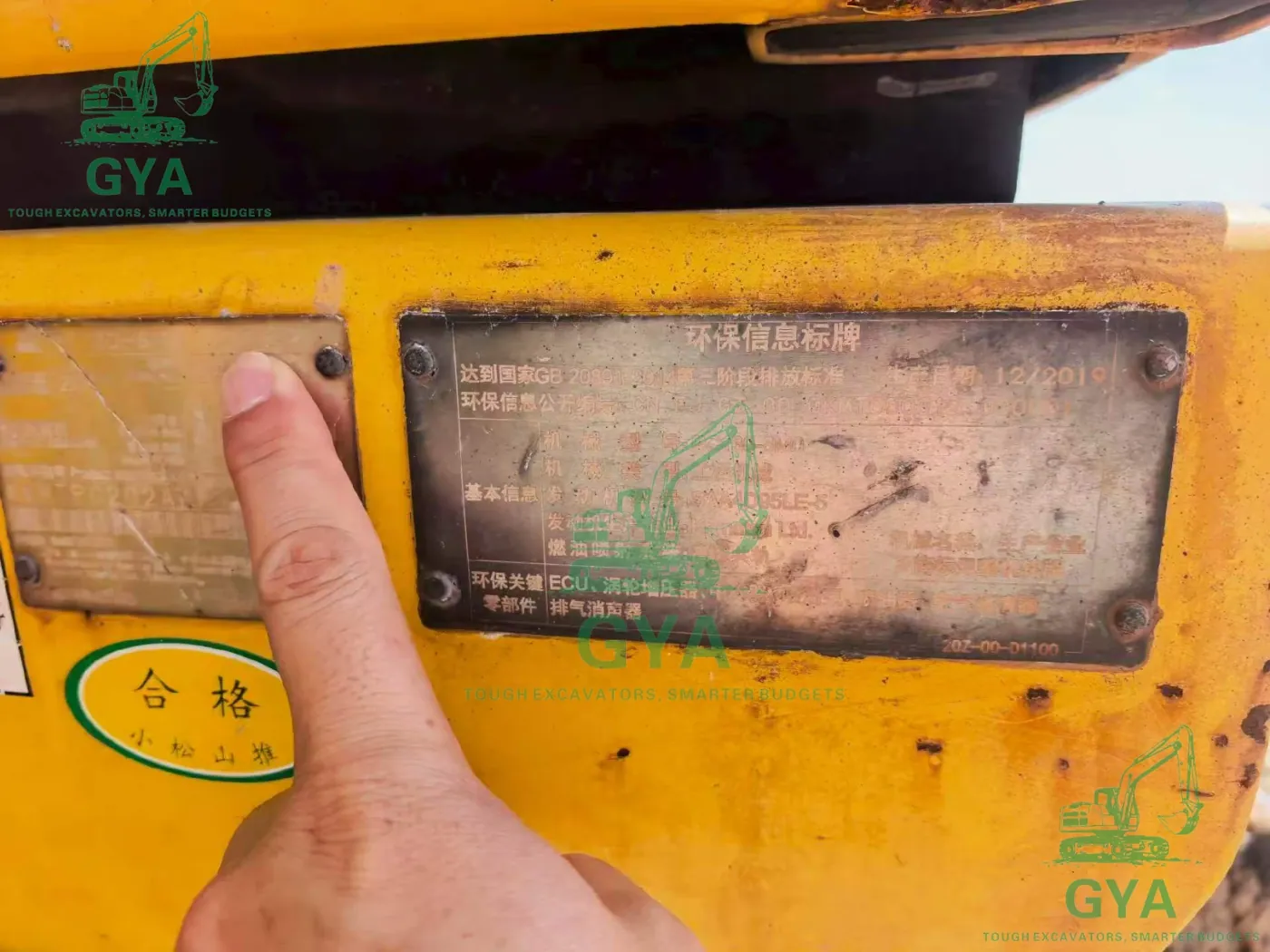
A PC130-8 inspection starts with identity. Ask for one continuous video that begins at the serial plate and ends at the hour meter, with no cuts. Confirm that the plate says PC130-8 and that the number matches the listing and the proforma invoice. A plate that is painted over, unreadable or missing is a reason to stop, not a detail to sort out later.
Cold start and engine behaviour
The video should begin with the machine cold, key off, and show the first start. Listen for a slow crank, a misfire, a knock or a long hesitation before idle settles. Watch the exhaust colour after start and under load. A warm engine that starts instantly proves much less than a cold one that does the same.
Hydraulics and electronics
Ask for boom, arm, bucket, swing and travel in one unedited sequence, including a combined operation. Watch for jerky response, drift, weak power or unusual noise. Ask the operator to show the monitor and any stored fault messages. Fault codes that have been cleared without repair will often return, so ask for a second video after the machine has worked for a while.
Undercarriage, pins and structure
On a 13-ton machine the undercarriage is a major wear cost relative to the purchase price. Ask for close, scaleable photos of shoes, links, rollers, idlers, sprockets and the track adjuster. Ask for pin and bush photos at the bucket, arm and boom, and for a walkaround of the boom foot, turret and counterweight. Fresh paint over a weld is not a repair record.
Shipping, documents and the export file
Do not book freight from the model name. Ask for the measured transport dimensions with the boom folded, the actual weight and the track shoe width. A 13-ton excavator may move as breakbulk, RoRo or on a flat rack depending on the route and the unit; the forwarder should quote against real measurements, not a class average.
We are an independent exporter, not a Komatsu dealer, and we do not own yards. Machines are sourced against a requirement, inspected, and shipped. Prices can be quoted FOB or CIF, and the export file normally includes the commercial invoice, packing list, bill of lading and certificate of origin. Ask for the inspection evidence before the balance payment, and check that the serial number on the documents matches the plate on the machine.
FAQ: buying a used Komatsu PC130-8 excavator
Is the 22,000–24,000 USD figure the price of one machine?
No. It is the listed model band. A firm price is quoted per unit after condition, configuration and destination are confirmed.
Is the PC130-8 worth 2,000 USD more than the PC130-7?
Only if the specific unit is in better condition or the newer generation matters in your market. The gap is 2,000 USD at both ends of the published bands, so compare the two machines, not the two badges.
Does the PC130-8 meet Tier 3 or Stage IIIA?
Do not assume it from the model name. The site describes the -8 as an electronic common-rail generation, but emissions acceptance depends on the engine plate and your country's rules. Verify both before purchase.
What is the first thing to inspect?
Identity and cold start. If the plate and serial do not match the offer, or the machine will not start cold on camera, stop before discussing price.
Can you arrange inspection and shipping?
Yes. We can arrange a pre-shipment inspection, quote FOB or CIF, and prepare the export documents. Send the destination port and the work type so the right unit can be sourced.
For specifications and current units, see the used Komatsu PC130-8 excavator model page, the PC130-8 FOB price reference, or the PC130-7 model page if the lower band fits your market better.
Komatsu buyer guides
Price bands, inspection and transport for the models buyers ask about.