Used Komatsu PC130-7 Excavator: Price-Band Reality
The used Komatsu PC130-7 excavator is listed in the 10–20 t class at 20,000–22,000 USD on this site. That sentence holds three different kinds of information, and buyers routinely collapse them into one: a class, a band and a model. This guide separates them. It sets out what the band can support, what it cannot, and why two quotes for the same model can differ without either seller lying.
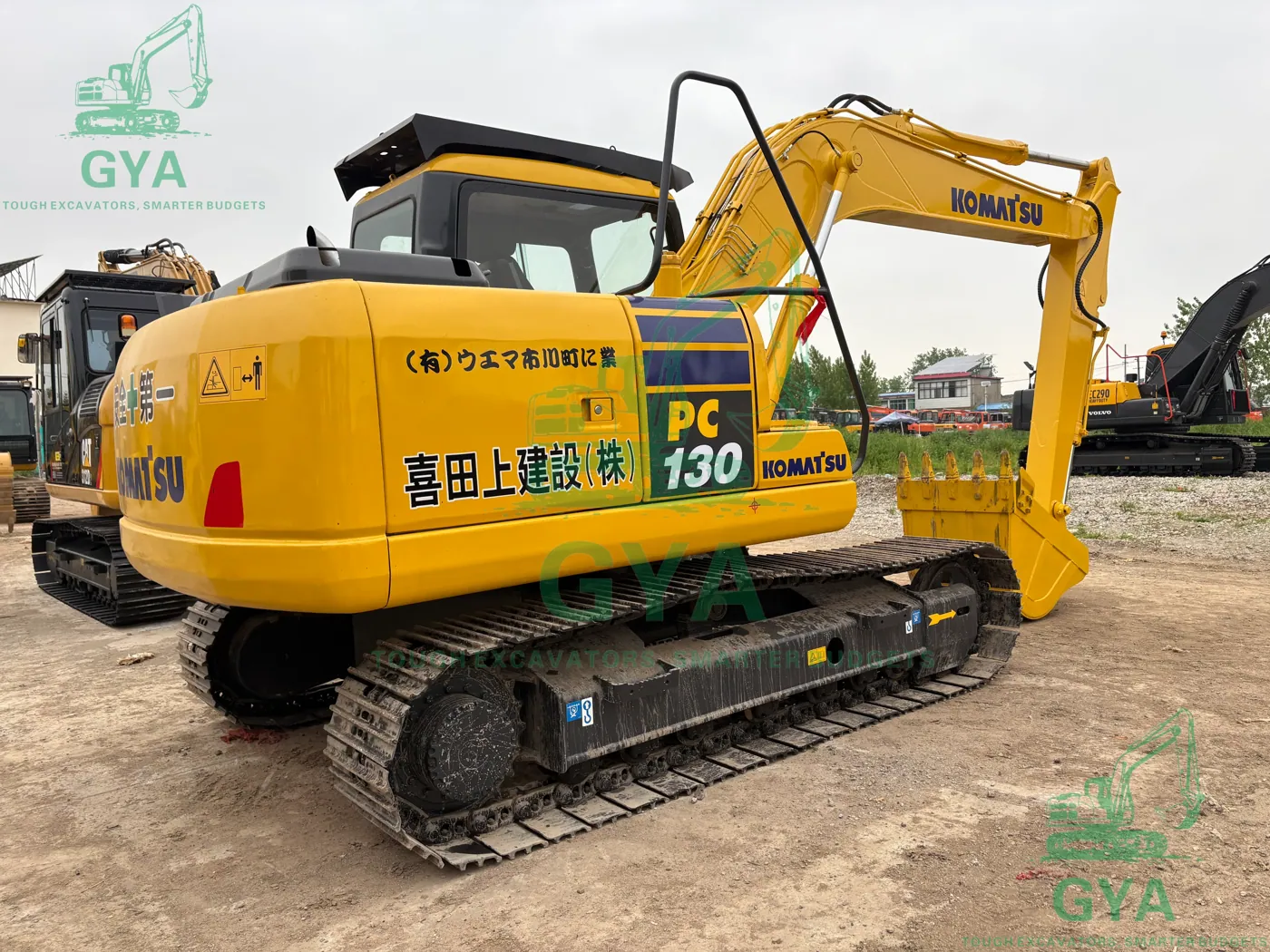
Reading the used Komatsu PC130-7 excavator band correctly
A band of 20,000–22,000 is a two-thousand-dollar window written at FOB level. It is a reference for the model, published before anyone inspects a unit. It is not a stock list, not an availability promise and not a unit price.
The correct use is triage. If a quote sits far outside the window, ask why before you ask for a discount. Legitimate reasons exist in both directions, and every one of them is inspectable: condition, the attachment package fitted to the machine, the documentation behind it, the destination port and the terms of sale.
The PC130-7 price does not follow tonnage
Within this catalogue the 10–20 t PC130-7 at 20,000–22,000 is listed below the 20–30 t PC200-7 at 24,000–27,000, overlaps the 20–30 t PC220-7 at 20,000–22,500, and tops out where the PC130-8 band begins at 22,000–24,000. Three facts, one conclusion: the band tracks the model and its market, not the weight class.
That is not a flaw in the data. It is how used equipment behaves. Generation, demand in the destination market and the condition of the individual unit move the number more than a class badge does. A buyer who reasons that bigger must cost more will misread this catalogue, and worse, will misjudge a quote that is actually well constructed.
The honest limit matters here. The catalogue gives bands, not explanations. Do not let anyone, including this page, invent a cause for the overlap. Ask what generation the unit is, what is included in the sale, and where it has worked.
Why two PC130-7 quotes differ
Four causes explain most of the spread. The first is condition, which is what the inspection is for. The second is configuration: the bucket, coupler and auxiliary hydraulic lines fitted to that particular machine change both its usefulness and its value. The third is documentation: a unit with a coherent serial history, service records and matching export papers is worth more than one whose file begins at the moment it was listed. The fourth is commercial structure — the Incoterm, the named port, the payment schedule and who pays which charge.
A fifth cause sits outside the machine: the seller’s timeline. A unit that must move this month is priced differently from one that can wait for the right buyer. That is not a scandal, but it should be visible in the quote rather than buried inside a vague discount.
This site is an independent exporter, not a dealer holding stock, so a quote is built around a unit identified for you. Inspection and the document set are agreed before payment rather than after, and that sequence is part of what the number represents.
FOB, CIF and the lines in between
Under FOB the seller delivers the machine at the named port of loading and the cost to that point is in the price; the ocean leg and insurance are yours. Under CIF the seller also carries freight and insurance to the named destination port. Neither term includes import duty, VAT, clearing, destination port charges or inland delivery, and neither includes the cost of putting the machine to work.
So the 20,000–22,000 band has to be read against an Incoterm. Ask for both quotations on the same unit to the same port. The difference between them is the ocean leg plus insurance, and it should be explainable line by line. If it is not explainable, the quote is not finished.
Then build the landed figure with a local broker’s numbers rather than a guess. The comparison that matters is landed cost plus repair reserve against a local machine, not a catalogue band against a sticker on a yard fence.
PC130-7 inspection: the items that change the number
On a 10–20 t machine the cost centres shift toward the running gear, the hydraulic pump and cylinders, the swing system and the engine. Ask for a continuous identity video first, then a pressure test report from a mechanic with the gauge readings and the date, then cylinder and hose condition, swing backlash and structural photographs.
A pressure test is worth more than any description. So is a cold start, filmed before the machine has been run that day. Warm machines hide weak pumps, and a weak pump on this class is not a small line in the repair budget. If the seller cannot supply either, price the machine as if both are unknown, because they are.
Negotiation: trade evidence, not pressure
Bring a defect list with written quotes. Ask for the price to reflect the list, or ask the seller to complete the work and document it. Do not open with a round discount and no reason: it signals that the number is soft in both directions, which is not the message a serious buyer sends to a serious exporter.
Know the width of the band: two thousand dollars. A repair quote beyond that width changes the structure of the deal. At that point it is usually better to move to another unit than to grind this one down, because the repair will still be there after the discount is spent.
The used Komatsu 10-20t excavator segment: what the catalogue shows
The adjacent bands in this catalogue overlap rather than stack. The PC130-7 closes at 22,000, which is exactly where the PC130-8 band opens, and the PC160-7 opens at the same 22,000. A 2,000-dollar rise buys a newer generation or a larger model at the entry point, so a well-evidenced older unit can compete with a tired newer one. That is why inspection, rather than the generation number, should decide.
It also explains why the used Komatsu 10-20t excavator buyer should look at three models rather than one. Widening the search by a single generation often finds a better machine for the same money, provided the file is real.
Comparing the landed number with a local machine
The band only becomes useful once it turns into a landed number. Take the CIF quote for the unit, add the duty and tax rates that apply in your country, add clearing and inland delivery from a broker, and add the repair reserve from the inspection. That total is what you compare with a machine already sitting in your region.
The local machine has advantages that never appear on a quote: it can be seen today, it may carry a dealer warranty, and it can be working this week. The imported unit has advantages of its own: a wider choice of generation and configuration, and a paper trail that you specified. Neither side wins by default. Write both columns down, including the days of downtime each option implies, and the decision usually stops being close.
Do not compare the band with a local asking price. They are different objects: one is a model reference at FOB level, the other a specific machine in a specific place with its own condition. Comparing them directly is the most common arithmetic mistake in this trade.
Red flags in a used Komatsu PC130-7 excavator quote
- A quote with no serial number, no model confirmation and no configuration listed.
- A price far under the band with no defect list to explain it.
- Refusal of a third-party inspection, or an inspection arranged only by the seller’s own mechanic with no report to you.
- Documents whose serial does not match the plate on the machine.
- Pressure to pay the balance before the inspection result is in your hands.
- The band quoted as if it were the firm price of a specific unit.
None of these proves bad faith on its own. Together they describe a file that cannot support a purchase, and the correct response to an unsupported file is to stop rather than to negotiate harder.
FAQ: used Komatsu PC130-7 excavator
Is the 20,000–22,000 USD band a quote?
No. It is the catalogue band for the model, written at FOB level. A unit price is quoted against a specific machine and destination.
Why is the PC130-7 listed near a 20–30 t model?
Because bands track the model and its market rather than the weight class. The catalogue shows the overlap but does not explain it; ask about generation, configuration and condition.
What does CIF add to the band?
Ocean freight and insurance to the named destination port. Duty, VAT, clearing and inland delivery remain outside both FOB and CIF.
What should a first offer include?
The serial and model, the price, the Incoterm, the named port, the configuration and the document set the seller can provide.
Can the price move after inspection?
Yes, and it should, when there is a written defect list with quotes behind it. A price that moves without evidence is a different conversation.
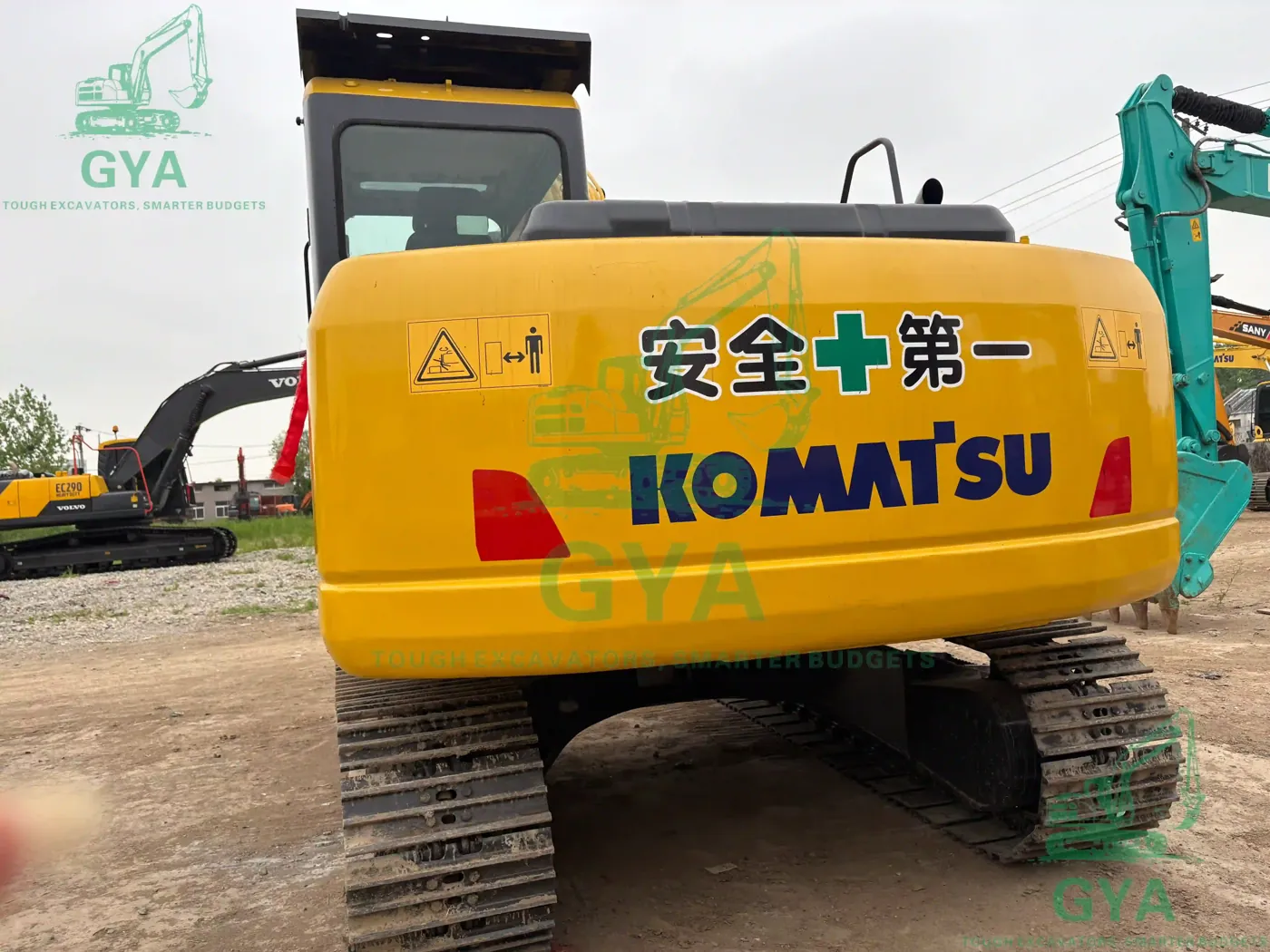
The used Komatsu PC130-7 excavator model page carries the class and band; the PC130-7 for-sale page carries the units.
Komatsu buyer guides
Price bands, inspection and transport for the models buyers ask about.