Used Komatsu PC1250-11 Excavator: Reading the Price Band
A used Komatsu PC1250-11 excavator sits in the 100 t+ mining class, and this catalogue lists a model band of 230,000–270,000 USD. That figure is a reference for the model, not a quotation for a machine in a yard. In this size class the spread between two units carrying the same badge is wider than in any 20-ton purchase: undercarriage, hydraulic components, attachment, boom configuration and the transport plan can each move the number by a large margin. The sections below explain what the band covers, how to inspect a mining-class machine, and what to settle before money moves.
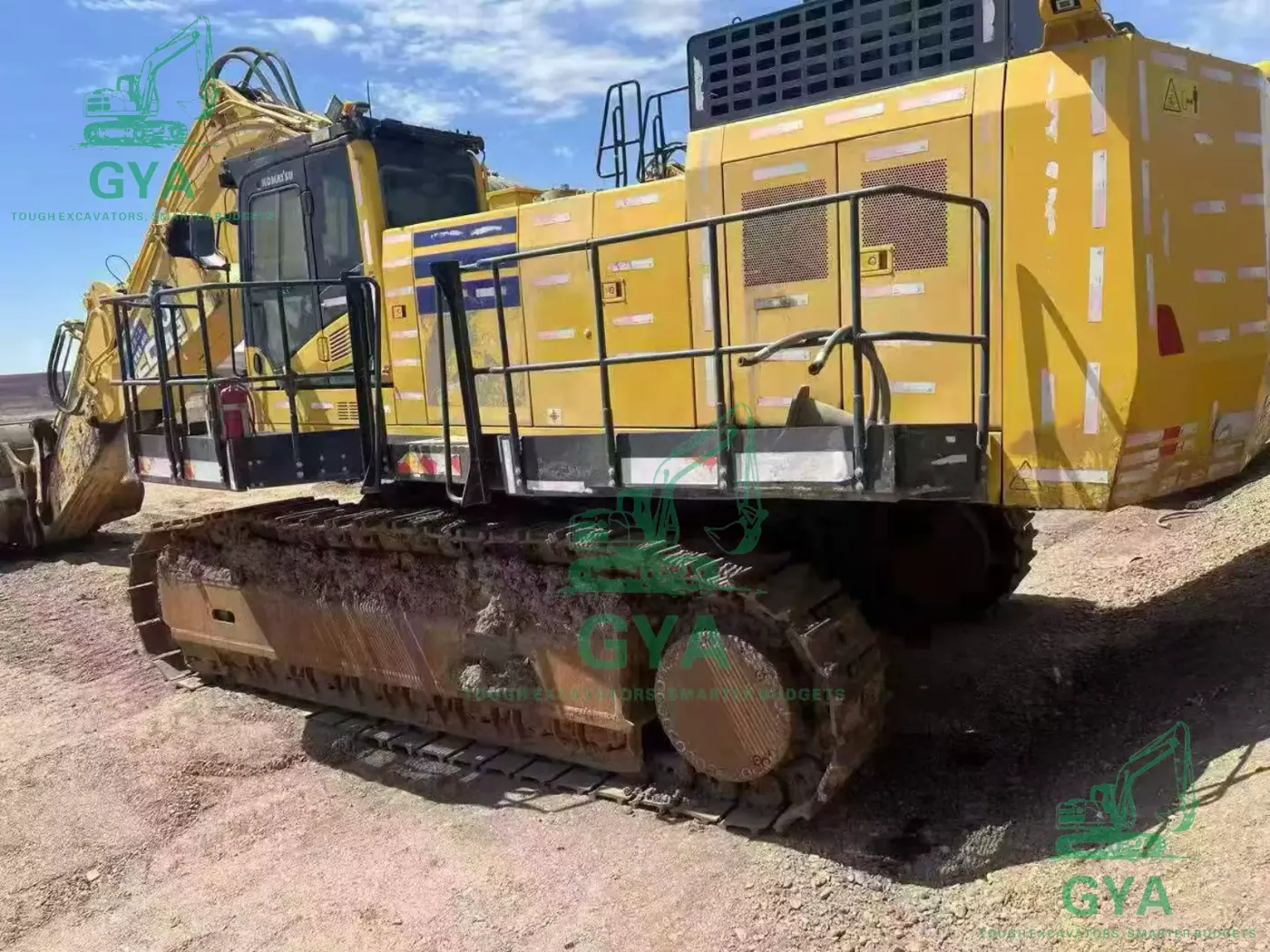
What the listed band does and does not cover
The band is a model-level FOB reference. It does not describe the unit you are looking at, and it excludes ocean freight, insurance, import duty, VAT, clearing, port handling and inland delivery. On a machine of this class those lines are not a rounding error; the loading method alone can change the delivered cost enough to reverse a comparison.
It also does not encode configuration. PC1250-11 units carry different buckets, boom and arm combinations, and wear packages. Two machines at a similar figure can be different tools, so confirm what the unit is set up to do before arguing about the number.
One more limit: the catalogue publishes the class and the band, and nothing else about a specific unit. Year, hours, stock and condition grade belong to the machine, not the model. Treat any single figure for a PC1250-11 as a question to test.
Used Komatsu PC1250-11 excavator: four things that set the price
Undercarriage. On a mining-class crawler, the tracks, rollers, idlers, sprockets and track frame carry the machine through every load cycle. Wear here is measured, not guessed, and the cost of a full refresh is the single item most likely to separate a high asking price from a low one.
Hydraulic main components. Pumps, control valves and large cylinders are the expensive heart of the machine. A unit with documented rebuilds and clean oil analysis is a different asset from one that runs well in a video but has no records. Ask for the component history, not just a clip of the boom moving.
Attachment and GET. Bucket capacity, ground-engaging tools, lip and wing shrouds, and boom/arm geometry affect both productivity and replacement cost. A bucket that does not match your material or your haul fleet is a liability you will pay to correct.
Identity and paperwork. Serial plate, model code, service file and export documents. On high-value equipment a clean paper trail is part of the value. A missing record is a discount to negotiate, not a detail to fix after the ship sails.
PC1250-11 price: compare in landed terms
Because the band is FOB, the only useful comparison is landed cost. Build it as a column: FOB, ocean freight, insurance, duty and VAT at destination, clearing, port charges, inland haulage, then unloading and reassembly. Add a repair reserve for whatever the inspection finds. Compare that total with a local machine or another import, never the band with a local retail figure.
Ask for a CIF quotation against the actual unit and destination port, then have a local broker put duty and VAT beside it. If a seller will only quote FOB and will not discuss loading, you do not yet have a comparable number. For a 100 t+ machine the heavy-lift plan, permits and road closures are real line items, so use a forwarder who has moved mining equipment before.
Then price the risk. A cheaper unit with an unknown pump history and a worn undercarriage is not cheaper once the reserve is included. Write that reserve down before you negotiate; it stops the sticker price from framing the whole decision. Two errors are common: comparing the FOB band with local retail, and comparing machines that are not configured alike. Either one makes the arithmetic meaningless.
The mining class is an inspection problem
Mining machines are bought for production, and production hours are not construction hours. A unit that spent its life in a continuous load-and-haul cycle accumulates wear differently from one that dug trenches and loaded trucks on a road job. Buying a used Komatsu mining excavator is therefore a records exercise as much as a mechanical one: the meter reading tells you little on its own, and component history carries more weight than in a general earthworks purchase.
Ask where the machine worked, what it loaded and whether it was the primary or the backup unit. Ask for oil analysis reports, rebuild invoices and the maintenance schedule that was actually followed. If the seller cannot describe the duty cycle, the inspection must carry the decision.
PC1250-11 inspection: sequence before you travel
Arranging a mining-class inspection is expensive, so complete the desk review first and travel only when the evidence justifies it.
1. Identity and paperwork
Request one continuous video from the serial plate to the hour meter, plus photos of every plate on the machine. Match model and serial to the invoice and the listing before anything else.
2. Cold start and running behaviour
Ask for a start from cold with the camera on the exhaust and the monitor. Listen for a stumble, watch the smoke, and note whether the machine reaches a stable idle unaided.
3. Hydraulic function under load
A dry cycle in a yard is not a load test. Ask for the machine working in material, or for pressure readings taken by a technician against the workshop specification for that serial number.
4. Undercarriage measurements
Photos hide wear. Ask for recorded measurements of pins, bushes, rollers and sprocket teeth, with the service limits from the manual. A number you can compare beats a close-up you cannot.
5. Structure and boom
Inspect the boom, arm, turret, track frame and counterweight for cracks, repairs and fresh paint over welds. An unrepaired crack is a stop until a qualified inspector clears it.
6. Swing, brakes and travel
Check swing backlash, brake holding and travel tracking in both directions. These faults are easy to miss in a short clip and expensive to correct later.
7. Fluid and leak survey
Examine the hydraulic tank, hoses, cylinder glands and the ground beneath the machine after it has run. A leak that has been washed away is still a leak.
Undercarriage: measure, don't photograph
The undercarriage is the largest predictable cost on a used mining excavator and the easiest item to photograph around. Ask the inspector to record wear on each side separately, because a machine that spent years turning in one direction wears unevenly. Compare the values with the limits in the workshop manual, then price the replacement parts before making an offer.
Check the track frame for cracks and the recoil springs for correct tension. A track run slack damages sprockets and bushings, and that loss returns as a line item later.
Hydraulics, attachment and the cost of mismatch
Ask for the part numbers on the main pumps and control valves, and whether they are original or replacement. A rebuilt component with paperwork is acceptable; an unidentified replacement is a question mark. Inspect cylinder rods for scoring and glands for weeping.
The attachment deserves its own conversation. Confirm bucket capacity and wear package, pin and bush condition at the boom, arm and bucket, and whether a quick coupler is fitted. If the bucket does not suit your material or your trucks, price the correct one before comparing machines.
Moving a 100 t+ machine: settle the plan early
A machine in this class normally travels disassembled, with boom, arm and counterweight removed, on a heavy-lift or breakbulk booking. The transport plan therefore affects price, schedule and the condition of the machine on arrival. Agree on the dismantling method, lifting points, cribbing and securing plan with the forwarder before the machine leaves the seller's site.
Ask who supervises loading, who supplies the crane, and what the receiving site needs in order to reassemble the unit. A cheap freight rate that leaves you with an unloadable machine at the port is not cheap.
Documents and the export file
The export file should contain the commercial invoice, packing list, bill of lading and certificate of origin, with model and serial matching the machine. If you are not travelling, request a third-party inspection report and confirm what it covers: identity, running condition, undercarriage measurements and leaks. A report that only confirms the machine exists is not an inspection.
As an independent exporter we arrange inspection at the seller's location and handle the export documents. We do not own yards and we are not a dealer, which matters when you ask who is answerable for a condition claim.
What a fair offer looks like
Start from the landed total and the reserve, not from the band. If the inspection finds a defined defect, either ask the seller to correct it before shipment or deduct the quoted repair cost; do not accept a vague discount in place of a scoped repair. Put the agreed condition and the inspection basis in the proforma invoice.
Pay the balance only after the agreed inspection has happened, and keep deposit terms tied to a shipment window. A seller who resists a scoped inspection or an Incoterm on the invoice is telling you something about the paperwork you will receive later.
Before the machine arrives
Confirm the working bench, the haul truck match and the operator who will run the machine. Check that your site has the lifting equipment and service access for a unit of this size, and that high-wear parts are available in your market. The machine becomes productive only when the site and its support are ready.
FAQ: used Komatsu PC1250-11 excavator
Is 230,000–270,000 USD the price of a specific machine?
No. It is the model band listed in this catalogue. The price of a unit depends on its configuration, condition, component history and destination.
What class is the PC1250-11?
This catalogue lists it in the 100 t+ mining class.
Can it ship in a container?
No. A machine of this class moves as breakbulk or heavy lift, normally disassembled. Confirm the plan with a forwarder.
Do you own the machines or a yard?
No. We are an independent exporter. Machines are inspected at the seller's location and shipped against your order.
Do you quote FOB or CIF?
Both. Send the destination port and the unit you are considering.
What should I inspect first?
Identity and paperwork, then undercarriage measurements and hydraulic component records. Those drive the largest costs.
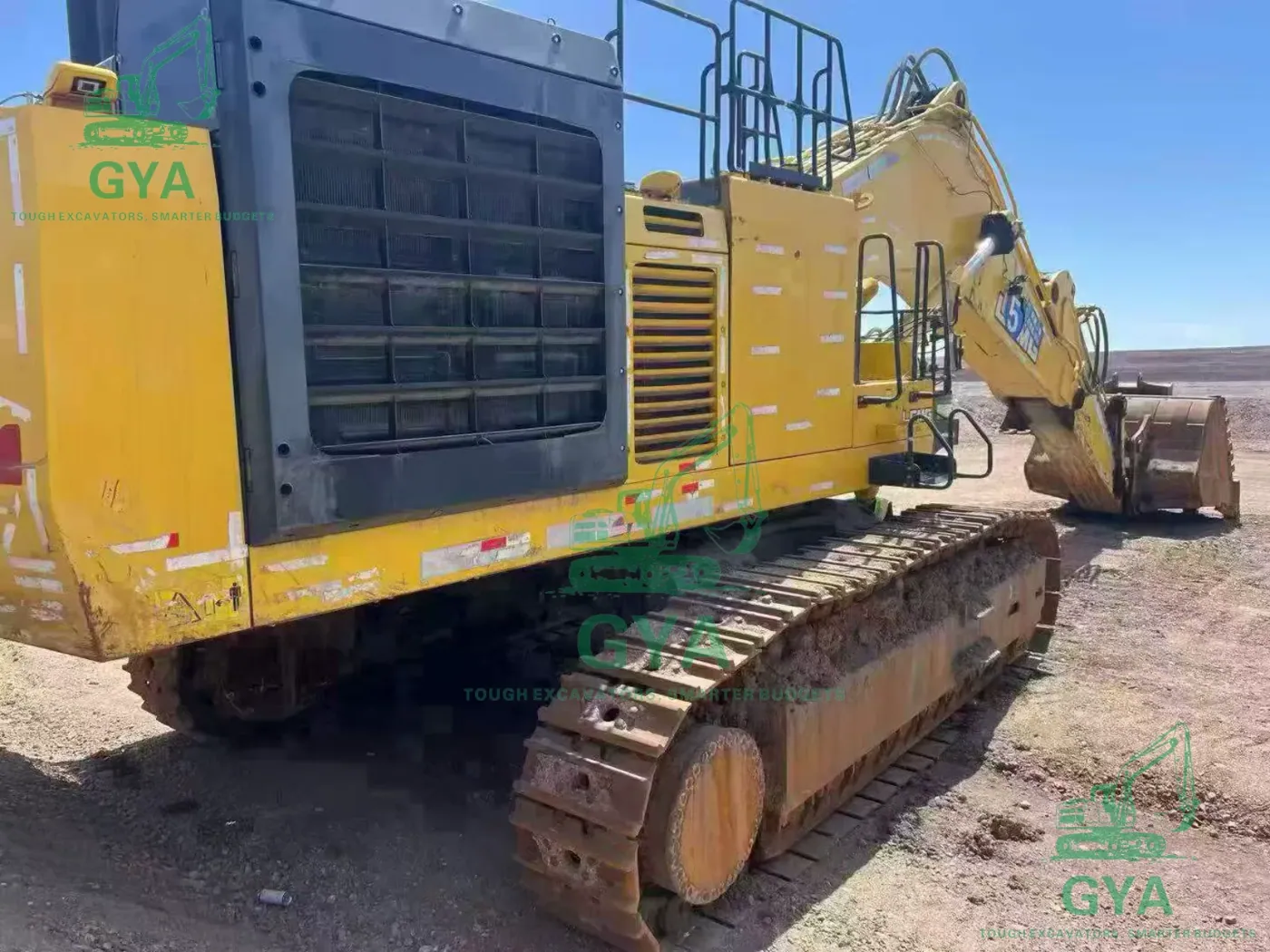
Requesting a quote on a specific unit
Send the model, the destination port and the work you plan to do. We will return the available unit details, the inspection evidence and an FOB or CIF quotation against that machine. If the unit is wrong for the job, say so early; a mining-class purchase is easier to stop at the desk than at the port.
Start with the Komatsu PC1250-11 model page, or go straight to the used Komatsu PC1250-11 excavator for sale listing. For freight and documents, contact the export desk with your destination.
Komatsu buyer guides
Price bands, inspection and transport for the models buyers ask about.